
Ward's rose
Rosa wardii
Ward's rose (Rosa wardii) is a distinct species within the Rosaceae family, native to the high-altitude regions of southwestern China and Tibet. This woody shrub is highly valued for its natural hardiness and its ability to thrive in challenging mountain environments.
What the section contains
Ward's rose
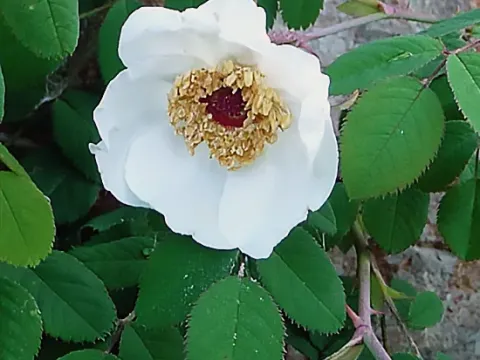
The plant features pinnate leaves with a serrated margin and produces elegant, often solitary flowers. These blooms typically showcase a delicate white or creamy hue, distinguishing the species from more common garden roses, making it a sought-after subject for botanical collectors.
Regarding soil conditions, Rosa wardii thrives in gritty, well-drained loamy soils. It is intolerant of waterlogging, which necessitates careful site selection in gardens with heavy clay content, where adding organic compost and grit is essential to improve drainage.
Climatic requirements involve a balance between cool mountain air and ample sunlight. While it appreciates full sun for flowering, in regions with intense summer heat, it benefits from partial shade to protect its delicate root system from desiccation.
General maintenance includes annual pruning of deadwood and the occasional removal of older canes to encourage vigorous new growth. Fertilization should be light, focusing on slow-release organic matter to mimic the natural nutrient cycling of its native habitat.
Common botanical threats include powdery mildew and black spot, particularly in environments with stagnant air circulation. Ensuring the shrub is spaced adequately from other plants is a key preventive measure against fungal infections.
Insect pests, such as aphids and spider mites, are frequent challenges during the spring flush of new foliage. Growers should monitor the undersides of leaves closely and employ integrated pest management strategies to keep these populations under control.