
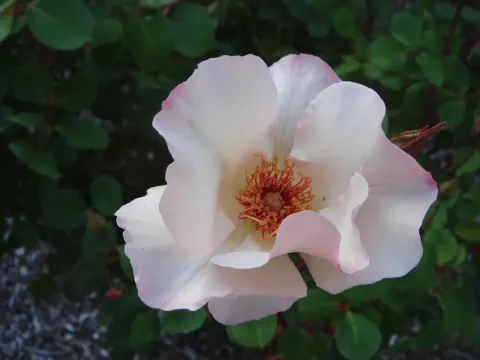
Warley Rose
Rosa warleyensis
Rosa warleyensis belongs to the Rosaceae family and is an ornamental shrub highly valued for its distinct botanical traits. Understanding its origins is key to providing the appropriate environment for its successful cultivation in gardens.
What the section contains
Warley Rose
The plant exhibits typical characteristics of the genus Rosa, featuring woody stems and complex leaves. It is often chosen for landscape design due to its hardiness and ability to adapt to various temperate climate conditions.
Successful cultivation requires a location with well-drained, fertile soil. Exposure to full sunlight is critical for optimal bloom production and the prevention of common fungal issues caused by dampness.
Soil structure should be loamy, ensuring both moisture retention and adequate aeration for the root system. Regular fertilization with balanced nutrient mixes supports the growth cycle from early spring to late summer.
Watering practices should focus on the base of the plant to keep the foliage dry, which significantly reduces the risk of leaf diseases. During dry spells, deep watering is preferred over frequent shallow irrigation.
Powdery mildew is a common threat for Rosa warleyensis, especially in environments with poor air circulation. Using fungicidal treatments during humid conditions is recommended to protect the plant.
Aphids and spider mites are typical pests that can infest the shrub during the active growing season. Regular monitoring and the application of organic insecticidal soaps can manage these populations effectively.
Black spot is another significant disease that affects many rose species. Maintaining a clean garden environment by removing fallen leaves prevents the overwintering of fungal spores.
Proper pruning techniques are essential to maintain the vigor of the plant and eliminate any dead or diseased wood. This practice promotes better airflow through the canopy.
Winter care involves protecting the crown of the shrub in colder regions. Applying a layer of mulch provides thermal insulation for the roots against freezing temperatures.