
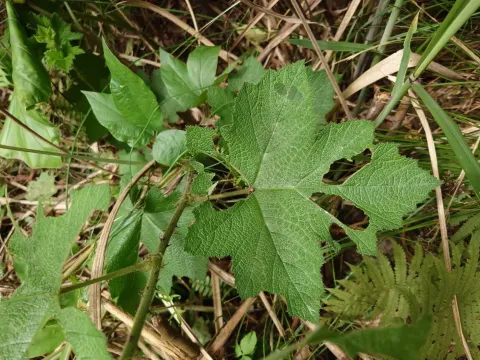
Rubus alceifolius
Rubus alceifolius
Propagation of Rubus alceifolius is primarily achieved through vegetative methods, as the plant is known for its ability to root at node points. This makes propagation via stem cuttings highly effective in agricultural practice.
What the section contains
Rubus alceifolius
When starting from seeds, it is necessary to provide a period of stratification to break dormancy. Sowing should be carried out in a controlled greenhouse environment to ensure high germination rates before transplanting.
The best time for planting is early spring after the frost period has passed. This allows the root system to establish itself firmly before the peak growth season begins.
Spacing between plants must be significant, as this species is highly vigorous and tends to spread rapidly. Proper row management is essential to prevent the formation of impenetrable thickets.
Soil preparation should involve incorporating organic matter to improve structure, which supports the rapid development of the root network characteristic of this species.
Rubus alceifolius belongs to the Rosaceae family and is a perennial shrub characterized by long, arching stems. It is recognized for its significant ecological adaptability in tropical and subtropical zones.
The plant thrives in well-drained, nutrient-rich soils. It requires consistent moisture levels to maintain optimal growth rates throughout the vegetation period, especially during flowering and fruit setting.
Climate requirements include high humidity and temperatures that do not drop below freezing. The plant performs best in areas with high rainfall and stable warm temperatures throughout the year.
Sunlight exposure is a critical factor; while the species can tolerate partial shade, maximum yield and vigor are achieved in open, sunny locations with minimal competition from other vegetation.
Maintenance of soil pH levels is vital, as the plant prefers slightly acidic to neutral soils. Regular mulching is recommended to retain soil moisture and suppress competitive weed growth around the base.
The harvesting process involves the manual collection of fruits when they reach full maturity, indicated by their distinct color and softness. Mechanical harvesting is rarely feasible due to the plant's structural characteristics.
Fruits are highly perishable and require careful handling during the picking process to prevent bruising. Immediate cooling after harvest is recommended to extend shelf life for fresh market consumption.
Regular picking intervals are necessary during the fruiting season to maximize the total yield per plant. Leaving overripe fruit on the stems can invite pests and fungal issues.
Labor management is a key aspect of harvest planning, as the density of the shrub can make access to the inner fruit clusters challenging for workers.
Post-harvest care involves pruning the fruiting canes to stimulate the growth of new, productive stems for the following season, ensuring sustained long-term productivity.
Typical threats include fungal pathogens such as rusts and mildews, which can thrive in the high-humidity environments where this plant often grows. These can cause significant defoliation if left unchecked.
Pests like aphids, spider mites, and various fruit-boring beetles can affect both the vigor of the plant and the quality of the harvested produce throughout the growth cycle.
Root diseases, particularly those caused by soil-borne pathogens in poorly drained areas, represent a severe threat to the long-term survival of the plantation.
Integrated Pest Management (IPM) strategies, including the use of biological controls and selective pruning to improve airflow, are recommended for maintaining plant health.
Prompt identification of early signs of infestation or infection allows for targeted intervention, reducing the need for broad-spectrum chemical applications on the crop.