
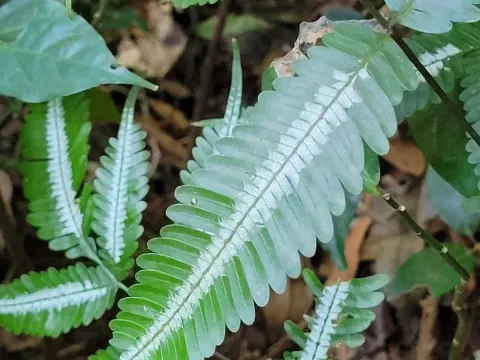
Silver brake
Pteris argyraea
The Silver brake (Pteris argyraea) is a perennial plant belonging to the Pteridaceae family. Native to tropical and subtropical regions, this fern is highly valued for its ornamental fronds featuring striking silvery bands along the midribs.
What the section contains
Silver brake
Botanically, it is characterized by creeping rhizomes and pinnate fronds that require specific environmental conditions to thrive. It is an essential crop for indoor horticulture and specialized nursery production in humid environments.
Climate requirements include a stable temperature range between 18°C and 24°C throughout the year. Cold drafts or sudden temperature shifts can cause irreversible damage to the delicate leaf tissue and stunt growth significantly.
The plant requires a well-draining, slightly acidic substrate rich in organic matter. A mixture composed of peat moss, perlite, and leaf mold is typically recommended to provide optimal root aeration and moisture retention capacity.
Humidity is the most critical factor in successful cultivation. Maintaining ambient humidity levels above 60% is necessary, often requiring the use of humidifiers or pebble trays to prevent leaf tip necrosis and browning.
Spider mites are the most persistent pest for this species, thriving in dry indoor climates. Frequent misting and maintaining optimal humidity act as primary preventative measures against mite infestations.
Root rot, caused by overwatering and poor drainage, remains the most common disease threat. Ensuring that the substrate never becomes waterlogged is essential for maintaining the health of the root system.
Mealybugs and scale insects may also colonize the fronds, particularly in poorly ventilated greenhouse conditions. Regular inspections and the use of insecticidal soaps are standard protocols for pest management.
Fungal leaf spot diseases can occur if water remains on the fronds for prolonged periods without adequate air circulation. Providing consistent airflow helps to mitigate the risk of pathogen colonization on the leaves.
Nutrient deficiencies often manifest as chlorosis or stunted frond development. A balanced, dilute liquid fertilizer applied during the active growing season helps maintain the plant's structural integrity and vibrant variegation.