
Pteris macilenta
Pteris macilenta
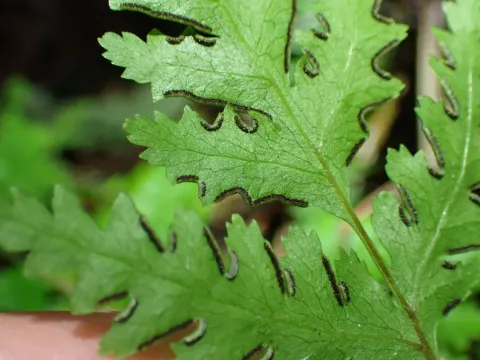
Pteris macilenta is a perennial spore-bearing plant belonging to the Pteridaceae family. Native to New Zealand, this fern species typically inhabits humid and shaded forest ecosystems. The plant is characterized by its elegant, bipinnate or tripinnate fronds, which possess a unique delicate texture and aesthetic appeal.
What the section contains
Pteris macilenta
For successful development, a stable temperature regime is critical, ideally ranging from 18 to 24 degrees Celsius. This fern is highly sensitive to sudden temperature fluctuations and cold drafts, requiring shelter in controlled environments. The culture is particularly vulnerable to root chilling during the winter dormant period.
Soil requirements involve the use of light, well-aerated substrates enriched with organic matter and a slightly acidic pH. Providing a high-quality drainage layer in the pot is essential, as waterlogging at the roots frequently leads to the development of root rot and the subsequent demise of the plant.
Air humidity levels for this species must remain consistently high, ideally between 60% and 70%. In both commercial greenhouses and interior settings, regular misting with soft water or the use of automated humidification systems is recommended to prevent the frond tips from drying out.
The plant thrives in diffused lighting, as direct sunlight can cause scorching on the sensitive leaf tissue. When grown under artificial light in enclosed spaces, the light intensity should be kept at moderate levels to ensure balanced vegetative growth without causing physiological stress to the fern.
The primary threats to this culture include sap-sucking pests such as scale insects, spider mites, and mealybugs. Upon detection of any infestation, it is necessary to promptly apply specialized insecticides or acaricides, strictly following recommended dosage rates to avoid damaging the delicate fronds.
Fungal diseases, including anthracnose or leaf spot, often arise due to irregular watering patterns and poor air circulation. To prevent these infections, it is crucial to maintain proper ventilation around the plant canopy and to avoid direct overhead watering on the fronds during maintenance.