
Pteris incompleta
Pteris incompleta
Description
Growing requirements
Pteris incompleta is a perennial fern species belonging to the Pteridaceae family. It is native to humid, forested regions, particularly within the Macaronesian archipelago. This plant thrives in sheltered, shaded environments where it is protected from extreme temperature fluctuations and intense direct sunlight.
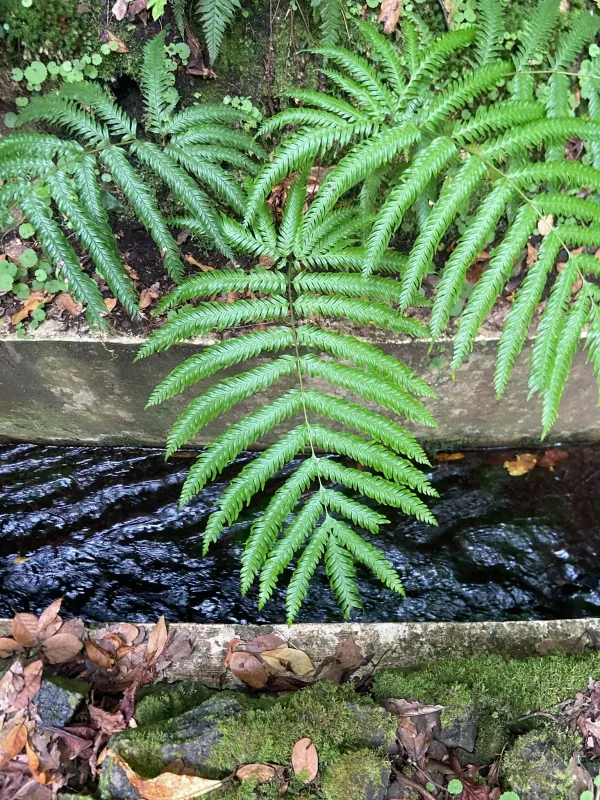
The botany of this fern is defined by its characteristic fronds which are pinnately divided. The plant possesses a rhizomatous root system, typical for ferns of this genus, allowing it to spread slowly across suitable forest floors or potting media. Spores are produced in sori along the margins of the frond segments, serving as the primary method of propagation.
For successful cultivation, a high level of atmospheric humidity is mandatory, ideally ranging between 60% and 80%. The plant performs best in temperatures between 18°C and 24°C. Exposure to cold drafts or dry air must be strictly avoided as it can cause rapid leaf desiccation and overall decline in plant health.
The soil requirements involve a well-draining, peat-based substrate that remains consistently moist but not waterlogged. Adding organic components like leaf mold or perlite ensures necessary aeration. A neutral to slightly acidic pH level is optimal for nutrient uptake and root system development.
In terms of usage, Pteris incompleta is primarily utilized in horticultural settings, conservatories, and interior landscaping. Its elegant foliage makes it a preferred choice for temperate indoor environments where biodiversity and aesthetic greenery are prioritized. Proper maintenance involves regular misting and careful monitoring of the soil moisture levels.
Main diseases and pests
Common health issues for this fern include fungal leaf spot diseases, which often result from poor air circulation and excessive overhead watering. Ensuring proper drainage and avoiding water standing in the crown of the plant is essential to prevent rot.
Insects like scale insects and spider mites are frequent pests, thriving in stagnant and dry air environments. Regular inspection and maintaining the required humidity are the most effective strategies for preventing infestations. If necessary, horticultural soaps or neem oil can be used to treat early-stage outbreaks.