
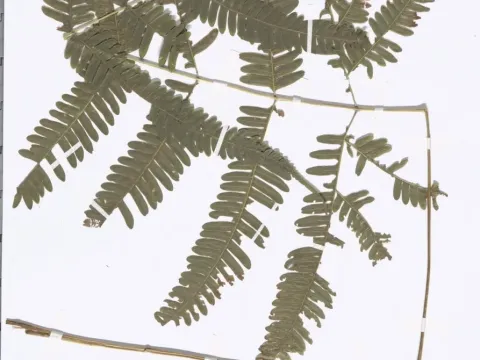
Pteris khasiana
Pteris khasiana
Pteris khasiana is a distinctive fern species belonging to the Pteridaceae family. Originating from the humid regions of the Himalayas, this plant has gained attention for its delicate foliage and suitability for tropical-themed horticultural displays.
What the section contains
Pteris khasiana
To thrive, this species requires a stable environment with high relative humidity, ideally above 60%. Insufficient humidity often leads to desiccated frond tips, which significantly diminishes the plant's aesthetic value and overall health.
The plant performs best in indirect, filtered light. Exposure to intense midday sun is detrimental to its physiological functions and can cause severe leaf scorch, resulting in irreversible damage to the frond structure.
Temperature management is critical for Pteris khasiana; it prefers a temperate climate ranging from 18 to 24 degrees Celsius. It is highly sensitive to cold drafts and should be shielded from sudden shifts in ambient temperature.
A well-draining, slightly acidic substrate is essential for healthy root development. A mixture involving peat, perlite, and organic leaf mold ensures proper aeration while maintaining the moisture levels required for this fern species.
Pests such as scale insects and mealybugs are the primary biological threats to Pteris khasiana. These insects typically infest the base of the fronds and the underside of the leaves, drawing out vital plant nutrients.
Spider mites are common in environments with inadequate ventilation and low humidity. Their presence is indicated by fine webbing and stippling on the leaves, which eventually leads to chlorosis if left untreated.
Root pathogens are a significant concern, often triggered by overwatering or compacted soil. When drainage is poor, root rot can develop rapidly, causing the plant to wilt and eventually collapse due to the lack of oxygen in the root zone.
Fungal leaf spots may occur in conditions of stagnant air and excessive surface moisture. These infections often present as dark patches on the fronds, necessitating the removal of infected parts to prevent further spread.
Effective management includes maintaining a balance between moisture and drainage, performing routine inspections for early signs of infestation, and ensuring that the plant is kept in a well-ventilated location.