
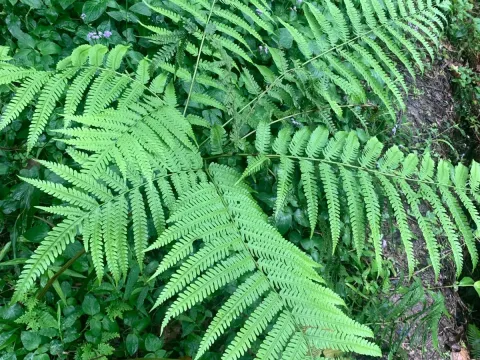
Pteris wallichiana
Pteris wallichiana
Pteris wallichiana is a significant fern species within the Pteridaceae family, recognized for its large, arching fronds and distinct architectural appearance. As a ground-dwelling fern, it holds ecological value in forest ecosystems, providing ground cover in humid shaded regions across Asia.
What the section contains
Pteris wallichiana
The native range of this species extends from India to parts of Southeast Asia and China. It typically thrives in subtropical forest environments where high atmospheric humidity and constant moisture are maintained throughout the year, protected from direct solar radiation.
Cultivation requires specific environmental conditions, primarily focusing on maintaining high humidity and filtered light. Exposure to direct sunlight can severely scorch the delicate foliage, while low light conditions during winter months should be carefully managed to prevent etiolation.
Regarding soil management, Pteris wallichiana demands a substrate with excellent aeration and moisture retention properties. A mixture of peat, perlite, and decomposed forest humus is recommended to mimic the natural floor conditions of its native habitat, ensuring roots remain oxygenated.
Temperature management is critical for the success of this crop. The optimal growth range lies between 18 and 24 degrees Celsius. It is sensitive to rapid temperature fluctuations, and exposure to temperatures below 10 degrees Celsius can lead to permanent damage or the loss of fronds.
The most common pests affecting this fern include spider mites, mealybugs, and scale insects. These pests often thrive in environments where air circulation is poor, necessitating regular inspection of the underside of the fronds for early signs of infestation.
Fungal diseases, such as root rot and leaf spot, are prevalent if water management is improper. Ensuring that the soil does not remain waterlogged and that the potting container has ample drainage holes is the primary defense against soil-borne pathogens.