
Pseudopilocereus
Pseudopilocereus
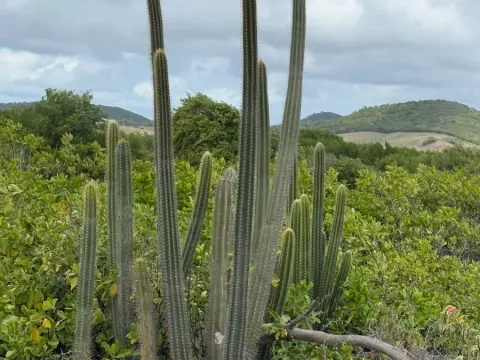
Pseudopilocereus is a genus belonging to the Cactaceae family, known for its columnar and often branched habit. These plants are prized for their structural presence, characterized by deeply ribbed stems covered with robust spines that serve as a defense mechanism.
What the section contains
Pseudopilocereus
Native to Brazil and other regions of South America, these plants are adapted to arid environments. Their evolutionary history in rocky, nutrient-poor landscapes has shaped their need for specialized, well-draining soil mixes that prevent water retention near the roots.
In terms of light, Pseudopilocereus demands intense, direct sunlight to maintain its structural integrity. Without sufficient light, the plant will etiolate, losing its typical sturdy appearance and becoming significantly more vulnerable to environmental stress and opportunistic pathogens.
The climate requirements include a warm, active growing season with temperatures consistently between 22 and 30 degrees Celsius. Conversely, a distinct winter rest period is vital; lower temperatures between 10 and 15 degrees are required to stimulate metabolic rest.
Agrotechnical management requires careful irrigation planning. Water should be applied only when the substrate has completely dried out. In the winter months, watering should be minimized or completely suspended to prevent root damage caused by cold, stagnant water.
The most common pests affecting this culture include mealybugs and spider mites. These pests thrive in dry environments and can quickly infest the crevices between the ribs, draining the plant's resources and causing stunted growth if not managed.
Stem rot, frequently caused by fungal pathogens such as Fusarium, remains the primary threat to Pseudopilocereus. This condition is almost exclusively associated with improper watering practices and poor soil aeration, leading to the rapid decay of internal tissues.
Pest control strategies should include the periodic use of contact and systemic insecticides. During treatment, it is essential to monitor the plant's reaction, as some cacti may be sensitive to specific chemical formulations if applied under high heat.
Disease management focuses on prevention rather than cure. Using a mineral-based, sterile substrate and ensuring optimal ventilation helps maintain a microclimate unfavorable to fungal development and bacterial proliferation.
If physical damage or rot is detected, immediate surgical removal of the affected area is necessary. The wound should be thoroughly dried and treated with a fungicide or charcoal dust to prevent further spreading of the infection and to promote rapid tissue callusing.