
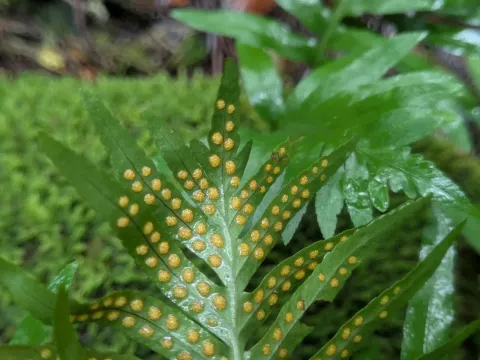
Polypodium macaronesicum
Polypodium macaronesicum
Polypodium macaronesicum is a member of the Polypodiaceae family. It is a perennial fern native to the Macaronesian islands, including Madeira and the Canary Islands, where it thrives in humid, subtropical environments.
What the section contains
Polypodium macaronesicum
The plant requires a high level of atmospheric humidity to maintain its growth cycles. It is commonly found growing on rocky outcrops or as an epiphyte on trees, which dictates its preference for well-draining, loose substrates.
Soil requirements involve a mix of organic matter such as peat, bark, and perlite. The medium must be breathable to allow proper root aeration and prevent stagnation that could lead to rhizome rot.
Lighting conditions should be managed to simulate a forest floor environment, emphasizing bright, filtered light. Direct sun exposure can scorch the fronds and lead to excessive moisture loss through transpiration.
Agricultural and horticultural practices focus on regular misting and stable temperatures. It is highly valued in ornamental gardening for its architectural leaf structure and ability to thrive in specialized indoor habitats.
Common fungal diseases associated with this fern are typically triggered by poor ventilation and prolonged substrate saturation, leading to stem and root rot.
Scale insects and mealybugs are the primary pests that affect the fronds. They attach to the undersides of leaves, weakening the plant by extracting essential sap.
Spider mites pose a significant threat during dry periods when air humidity drops. Infestations are characterized by fine webbing and yellowing of the leaf surface.
Management of these pests requires a combination of physical removal, increasing humidity levels, and the application of targeted horticultural oils or insecticides.
General plant health is maintained by ensuring proper airflow and regularly inspecting the foliage to detect early signs of pest colonies or pathogenic infections.