
Polygonum praetermissum
Polygonum praetermissum
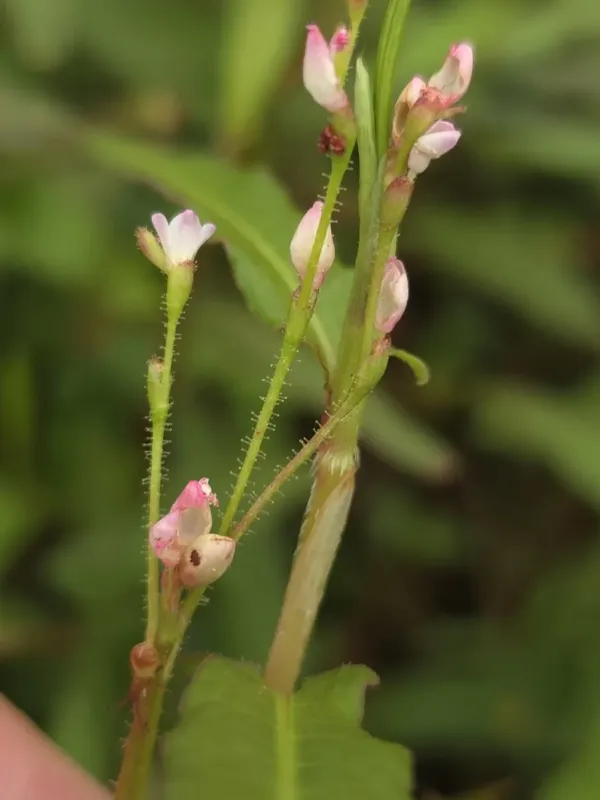
Description
Sowing dates
Polygonum praetermissum, belonging to the Polygonaceae family, requires specific thermal conditions for successful germination and early establishment.
The sowing process is typically initiated in early spring when the soil temperature consistently reaches 15 degrees Celsius.
Seeds should be planted at a shallow depth to ensure adequate moisture access, as the species is highly responsive to surface water levels.
Maintaining proper row spacing is essential for aeration and minimizing competition for light, which is crucial for optimal vegetative growth.
Uniform soil moisture during the germination phase is a critical success factor that determines the density and vigor of the resulting crop stand.
Growing requirements
This crop thrives in moisture-rich environments, reflecting its natural evolutionary adaptation to damp soil and wetland margins.
High soil fertility, particularly in terms of nitrogen and organic matter content, significantly boosts the plant's growth rate.
While the plant prefers sunny exposures, it possesses a notable tolerance for partial shade, making it adaptable to varied field conditions.
Soil pH levels should ideally be maintained in the slightly acidic to neutral range to ensure the bioavailability of essential micronutrients.
Protection from extreme temperature fluctuations and dry winds is necessary to preserve the plant's moisture content and leaf integrity.
Yield
The biomass yield of Polygonum praetermissum is primarily determined by the availability of soil moisture throughout the peak growing season.
Frequent harvests are possible under intensive management, as the plant exhibits strong regrowth capabilities after mechanical cutting.
Maximum nutritional value per unit of biomass is usually concentrated during the late vegetative stage, prior to the transition to full bloom.
Strategic nitrogen fertilization programs can further enhance the density of stems and leaves, leading to higher overall tonnage per hectare.
Monitoring the plant's development stages is vital to ensure that harvest activities align with the desired biomass quality and yield targets.
Main diseases and pests
Fungal pathogens represent the most significant threat, particularly in poorly drained fields where moisture levels become excessive and ventilation fails.
Leaf-eating insects can cause significant damage to foliage, potentially reducing photosynthesis and overall plant health if left unmanaged.
Effective weed control during the seedling stage is essential, as the crop can be easily suppressed by aggressive invasive species.
Integrated pest management strategies should be implemented to minimize the reliance on synthetic chemicals while effectively protecting the crop.
Regular scouting of the field enables the early detection of disease outbreaks, allowing for localized interventions before they spread.
Harvesting
Harvesting should be timed precisely to balance the maximum biomass accumulation with the nutritional quality required for specific end-uses.
Modern harvesting machinery should be calibrated to maintain the appropriate stubble height, which encourages rapid recovery and subsequent regrowth.
Post-harvest handling requires immediate processing or drying to prevent the degradation of biomass due to internal heat generation.
For seed production, harvesting must be delayed until the seed heads are sufficiently matured but before they naturally disperse from the stems.
Correct storage practices, including adequate ventilation and moisture control, are essential to ensure the longevity and quality of the collected material.