
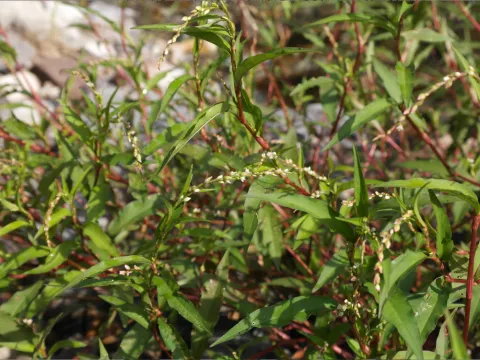
Polygonum taquettii
Polygonum taquettii
The sowing of Polygonum taquettii is best performed in early spring when soil temperatures consistently reach 8-10 degrees Celsius. Seeds typically require a period of stratification to break dormancy, ensuring a high germination rate and uniform seedling emergence across the field.
What the section contains
Polygonum taquettii
Seeds should be sown at a depth of 1-2 centimeters. A row spacing of 45-60 centimeters is recommended to facilitate optimal growth conditions and allow for mechanical weeding between rows throughout the growing season.
In regions with shorter growing seasons, starting plants in greenhouses or nurseries is a viable alternative to direct seeding. Seedlings should be hardened off before transplanting into the field to ensure they survive the transition and establish strong root systems quickly.
Proper field preparation, including deep plowing and the integration of organic matter, is crucial for initial growth. Ensuring the soil is free of debris and well-aerated creates an ideal environment for the development of healthy, vigorous plants from the very beginning.
After emergence, thinning is necessary to maintain a density of approximately 20-30 centimeters between plants within the row. This practice reduces intraspecific competition, allowing each individual plant to reach its full productive potential during the season.
Polygonum taquettii is a perennial member of the Polygonaceae family, typically thriving in moist but well-drained environments. While it prefers consistent moisture, it is important to avoid waterlogged conditions, which can lead to root degradation and stunted plant growth.
This crop prefers fertile, loamy, or sandy-loam soils with a neutral to slightly acidic pH level. A sunny location is preferred for cultivation, although the plant shows moderate tolerance for partial shade, especially during the peak of summer heat.
Maintaining an ambient temperature range of 18-25 degrees Celsius during the active growing phase is ideal for maximum biomass production. The plant is relatively hardy but requires protection against late spring frosts, which can damage succulent new growth.
Crop rotation is essential for the sustainable management of Polygonum taquettii. It is advised to avoid planting this species in areas previously occupied by other members of the Polygonaceae family to reduce the buildup of soil-borne pests and diseases.
Balanced fertilization, particularly during the early vegetative stage, significantly boosts the plant's development. Incorporating nitrogen and phosphorus into the soil before planting provides the necessary nutrients for robust leaf and stem growth.
The productivity of Polygonum taquettii is primarily measured by the yield of its dried aerial parts, which are valued for their phytochemical content. Under optimal agronomic conditions, growers can expect high yields of green biomass, depending on soil quality and water availability.
Peak biomass production usually occurs in the second and third years of the plantation's life. Growers should focus on maximizing plant vigor during these years to achieve the best possible return on investment for the cultivated area.
The quality of the harvested biomass depends on the timing of the cut. Harvesting at the peak of the flowering stage ensures that the concentration of secondary metabolites, which are vital for pharmaceutical applications, is at its highest point.
Regular maintenance, including weeding and soil aeration, contributes significantly to yield consistency. By minimizing weed pressure, the crop is able to dedicate more energy to growth, resulting in a cleaner and more substantial final harvest product.
Post-harvest processing, particularly the drying phase, is critical for preserving yield value. Drying in controlled environments at temperatures below 45 degrees Celsius prevents the degradation of active compounds and maintains the quality standards required by industry buyers.
Common pests affecting this culture include various leaf-feeding insects and aphids, which can compromise the photosynthetic capacity of the plants. Integrated pest management strategies, focusing on biological control agents, are highly recommended for this crop.
Fungal leaf spot diseases are the most frequent health issues, often triggered by prolonged humidity and poor air circulation. Improving planting density and ensuring proper drainage are key preventive measures to mitigate the risk of fungal infections.
Root rot can occur in heavy, poorly drained soils. Regular monitoring of the plant base and soil moisture levels helps in the early detection of such issues, allowing for quick interventions before the entire plantation is affected by the disease.
Weeds are the most significant threat during the first year of establishment. Their rapid growth can outcompete the young Polygonum taquettii seedlings for light and soil nutrients, potentially leading to significant losses if not managed promptly.
Implementing a regular scouting program allows for the early identification of pest or disease outbreaks. By catching potential problems early, growers can avoid the need for broad-spectrum chemical treatments, preserving the biological integrity of the harvest.
Mechanical harvesting is the standard approach for this crop. Using specialized mowing equipment allows for a clean cut, typically 10-15 centimeters above the ground, which promotes healthy regrowth for future harvests in the following season.
The timing of the harvest should be coordinated with the flowering cycle. Harvesting during dry, morning hours minimizes moisture content in the raw material, which significantly simplifies the subsequent drying process and reduces energy costs.
Prompt transport of harvested material to the processing site is essential to prevent heating and fermentation. Freshly cut biomass can quickly deteriorate in quality if left in large, unventilated piles, leading to significant financial losses for the grower.
Industrial processing often includes shredding the raw material to ensure even drying throughout the batch. Uniformity in the size of the pieces is important for maintaining consistent quality and active ingredient potency in the final dried product.
Final storage of the dried product requires humidity-controlled environments to prevent re-absorption of moisture and mold growth. Adherence to these strict storage guidelines ensures that the product retains its efficacy and value over the long term.