
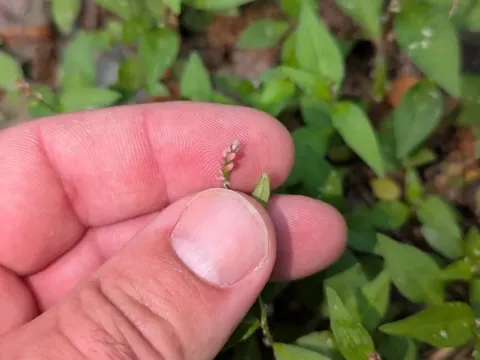
Polygonum interruptum
Polygonum interruptum
The sowing of Polygonum interruptum is best performed in early spring when the soil temperature consistently reaches favorable levels for seed germination.
What the section contains
Polygonum interruptum
Seeds of this species often exhibit dormancy, necessitating stratification in a moist, cold environment for several weeks before actual planting to ensure uniform sprouting.
Proper seed placement involves sowing at a shallow depth of approximately 1-2 centimeters, ensuring sufficient soil-to-seed contact without burying the seeds too deep.
Row spacing should be maintained at 50-60 centimeters to facilitate mechanical weed control and ensure each plant has adequate access to sunlight and air circulation.
Using high-quality, pre-treated seeds or covering the sowing area with agricultural fleece can significantly increase the emergence rate and protect the young sprouts.
Belonging to the Polygonaceae family, this crop thrives in fertile, well-drained loamy soils that possess a neutral to slightly acidic pH range for optimal nutrient uptake.
It is a water-loving plant that requires consistent soil moisture levels, especially during the establishment phase and the peak period of vegetative growth.
The plant performs best in full sunlight; however, it shows reasonable tolerance to partial shade, provided the light intensity remains sufficient for healthy photosynthesis.
Soil structure is critical; while it prefers moisture, the crop cannot withstand prolonged waterlogging, which often leads to root rot and poor plant development.
Regular fertilization with balanced NPK ratios is recommended at the start of the season to support robust biomass production and ensure the health of the perennial roots.
Yield potential is highly dependent on the soil fertility and the efficacy of water management throughout the critical developmental stages of the crop.
Productivity typically peaks in the second or third year, as the root system matures and the plants establish a stronger foothold in the agricultural landscape.
Optimized agro-management practices, including timely weeding and nutrient application, can lead to substantial increases in the harvest of green biomass per hectare.
Farmers should monitor biomass accumulation closely, as the timing of the harvest is closely linked to the concentration of bioactive compounds within the plant.
By maintaining proper plant density and providing adequate care, growers can achieve consistent and reliable yields over the productive lifespan of the perennial stand.
Fungal diseases are the primary threat, particularly under conditions of high humidity or poor ventilation within the dense foliage of the plant canopy.
Common pests include aphids and various leaf-chewing beetles that can cause significant aesthetic and physiological damage if left unmanaged during the peak growth season.
Implementing an integrated pest management strategy, including the use of biological control agents, is effective in maintaining plant health while adhering to organic standards.
Weed competition is particularly intense during the first year of establishment, requiring manual or mechanical interventions to prevent shading of the young Polygonum plants.
Regular field scouting is essential to identify early symptoms of disease or pest infestation, allowing for prompt intervention before the damage becomes economically significant.
The optimal harvest window occurs during the period of full bloom, when the concentration of essential metabolites in the aerial parts is at its absolute maximum.
Harvesting should be performed using mechanical equipment set at a height that avoids damaging the crown of the plant, ensuring rapid regrowth for subsequent years.
Post-harvest handling is critical, requiring the immediate transfer of biomass to drying facilities to prevent quality loss caused by moisture or improper heat exposure.
Effective drying requires a steady flow of air at moderate temperatures to maintain the structural integrity and chemical potency of the harvested leaves and stems.
Final storage conditions should be strictly controlled, with the product kept in a dry, dark, and well-ventilated area to ensure long-term shelf stability and quality.