
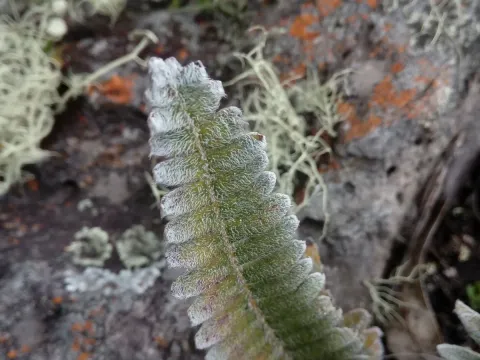
Polypodium bombycinum
Polypodium bombycinum
Polypodium bombycinum is a distinctive fern species belonging to the Polypodiaceae family. Known for its soft, velvety texture, this plant is native to the tropical rainforests of South America, where it thrives as an epiphyte on tree branches.
What the section contains
Polypodium bombycinum
To cultivate this species successfully, it is essential to mimic its natural habitat. The plant requires high humidity levels, ideally between 60% and 80%, to maintain the health of its fronds and prevent them from becoming brittle.
Temperature control is crucial for Polypodium bombycinum. It prefers a stable environment with temperatures ranging from 18 to 24 degrees Celsius. It is highly sensitive to cold drafts, which can cause immediate leaf drop and stress.
The substrate must be exceptionally well-draining and aerated. A mix consisting of orchid bark, perlite, and long-fibered sphagnum moss is ideal. Avoid dense potting soils, as they retain too much water and cause root suffocation.
Light requirements involve bright, indirect sunlight. Exposure to direct afternoon sun can scorch the delicate foliage. Ideally, place the plant in a spot that receives filtered light, similar to what it would receive under a tropical canopy.
Root rot is the most significant threat to Polypodium bombycinum. It is usually caused by overwatering or using a substrate that lacks proper drainage. Ensuring the pot has drainage holes is a fundamental step in plant health.
Scale insects and mealybugs are the most common pests affecting this fern. These pests often hide in the crevices of the rhizomes or on the undersides of the fronds, requiring careful inspection and treatment with horticultural oils or soap sprays.
Spider mites can become a persistent issue if the ambient humidity is too low. These microscopic pests weave fine webs across the fronds, causing the tissue to lose its color and vigor. Frequent misting helps prevent their colonization.
Fungal leaf spots can occur if the foliage remains wet for extended periods in environments with poor air circulation. It is recommended to water at the base of the plant rather than overhead to keep the fronds dry.
Nutrient deficiency is another issue to monitor. If the fronds appear pale or yellowish, the plant may need a diluted, balanced liquid fertilizer applied during the active growing season. Never fertilize if the plant is dormant or stressed.