
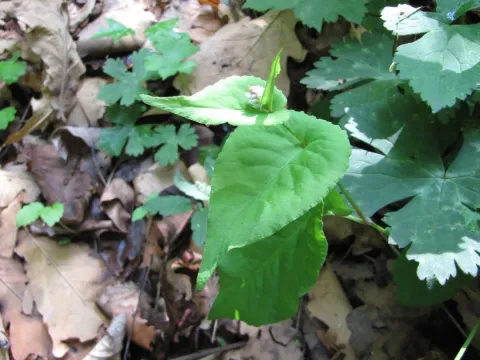
Polygonum suffultum
Polygonum suffultum
Sowing of Polygonum suffultum is typically conducted in early spring or late autumn using pre-stratified seeds. Proper stratification is essential to overcome seed dormancy and ensure uniform germination across the field.
What the section contains
Polygonum suffultum
Seeds are sown at a depth of 1–2 centimeters into well-prepared, loose soil. Maintaining consistent soil moisture during the germination period is critical, as the species is sensitive to desiccation in its initial growth stages.
Standard row spacing should be wide enough to allow for the development of the plant's robust root system. Once the seedlings reach the three-leaf stage, thinning is performed to maintain optimal spacing between plants.
Vegetative propagation via root division is also a highly effective method for commercial production. This is ideally performed during the plant's dormant season, ensuring that the divisions have sufficient time to establish before the onset of active growth.
For large-scale cultivation, precision seed drills are used to ensure accurate placement. A layer of organic mulch can be applied post-sowing to suppress weeds and retain soil moisture, creating a stable microclimate for the developing seedlings.
This crop thrives in open, sunny locations with fertile, well-draining soil. It is particularly responsive to organic matter, so incorporating compost or manure into the soil prior to planting is highly recommended for optimal biomass production.
While Polygonum suffultum prefers consistent moisture, it cannot tolerate waterlogged conditions. Proper field drainage is essential to prevent root rot, especially in areas with heavy clay soils or high rainfall levels.
The optimal temperature range for growth is between +18 and +25 degrees Celsius. The crop exhibits good winter hardiness but may require protection in regions experiencing extreme frost if the root systems are not well-established.
Regular weeding and inter-row cultivation are necessary throughout the growing season to minimize competition. The plant benefits from good airflow, so maintaining appropriate spacing between rows is a key component of effective crop management.
- Exposure: Full sun to partial light shade.
- Soil Type: Loamy, nutrient-rich, well-drained.
- Irrigation: Consistent, avoiding water saturation.
- Fertilization: Moderate nitrogen application in the spring.
The yield of Polygonum suffultum is dependent on age and environmental factors. Generally, a sustainable harvest is achieved from the third year onwards, once the plant has reached its full vegetative capacity.
Under favorable management, the crop can provide multiple harvests of aerial biomass per season. Regular monitoring of the plant's nutrient status and irrigation needs allows for maximized production throughout the summer months.
The quality of the raw material is determined by the concentration of active chemical compounds, which is highest during the flowering phase. Timing the harvest accurately is essential for ensuring the product meets market standards.
Automated harvesting equipment can be utilized on large plantations to improve efficiency and reduce labor costs. Proper calibration of cutting height is vital to protect the perennial crown and ensure the longevity of the stand.
Consistent production over a 5–7 year cycle is common with this species, provided that soil fertility is maintained. Regular soil testing helps guide the fertilization program to sustain these yields over time.
Fungal infections such as powdery mildew are the primary threat, especially in humid conditions with poor air circulation. Implementing proper spacing and irrigation management is the most effective way to prevent these outbreaks.
Pests like aphids and spider mites can infest the foliage, particularly during dry spells. Biological control measures or targeted interventions should be used to protect the crop without compromising its medicinal quality.
Maintaining a strict crop rotation program is necessary to minimize the risk of soil-borne pathogens. Planting Polygonum suffultum in fields that have not hosted related buckwheat species helps keep disease levels low.
Weed management remains a significant agronomic challenge in the early stages of cultivation. Integrated weed management, including mechanical hoeing and mulching, is preferred over chemical control to ensure a clean product.
Early identification of symptoms is crucial. Regular field scouting allows growers to isolate infected plants, preventing the spread of disease across the entire plantation and maintaining overall crop health.
The aerial biomass is harvested during the peak flowering stage when the concentration of bioactive substances is at its maximum. Stems are cut using sharp blades, leaving enough stubble for the plant to recover and photosynthesize.
Rhizomes are harvested in late autumn after the foliage has died back, indicating that nutrients have been transferred to the root system. Excavated roots must be thoroughly cleaned of soil and debris immediately after harvest.
Drying must occur promptly in a shaded, well-ventilated space to prevent fermentation or mold growth. High temperatures must be avoided to ensure that the chemical profile of the plant remains intact for medicinal use.
Storage should be conducted in clean, cool, and dry conditions. Proper packaging protects the dried material from humidity, pests, and light, ensuring shelf stability throughout the supply chain.
Crop rotation should follow the removal of the root systems after 5–6 years of production. This ensures that the soil remains productive and limits the potential for long-term buildup of field-specific pests or pathogens.