
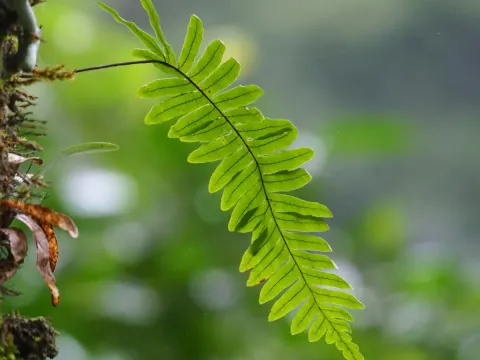
Polypodiodes
Polypodiodes
Polypodiodes is a genus of perennial ferns belonging to the Polypodiaceae family. These plants are typically epiphytic or lithophytic, naturally distributed across various regions of Asia, where they inhabit humid forests and mountain environments with rich organic matter.
What the section contains

Polypodiodes
The botanical structure of Polypodiodes is characterized by a creeping, fleshy rhizome covered with scales, which serves as an organ for nutrient storage and attachment. The fronds are leathery and pinnate, showing significant resilience to environmental changes in their native habitat.
In cultivation, these ferns require a well-drained substrate that promotes air circulation around the rhizomes. A mixture of pine bark, peat moss, and charcoal is widely recommended to replicate the epiphytic conditions that these plants prefer in the wild.
Regarding climatic requirements, Polypodiodes thrives in high humidity and cool to moderate temperatures. They are strictly shade-tolerant plants and should never be exposed to direct, intense sunlight, which can cause severe dehydration and leaf scorch in a matter of hours.
Irrigation management is essential for the health of the plant. Water should be applied sparingly but consistently to keep the substrate moist but not waterlogged. Periodic misting is highly beneficial to maintain the required atmospheric humidity, especially in indoor environments.
The primary threat to the health of Polypodiodes is fungal decay of the rhizomes, usually triggered by improper drainage or excessive watering. Ensuring that the rhizomes are not buried too deeply in the soil is a key cultural practice to prevent such rot.
Pest management focuses on identifying and controlling spider mites and scale insects. These pests often proliferate when ambient humidity is insufficient, and they can be managed through mechanical removal or targeted application of horticultural oils and systemic insecticides.