
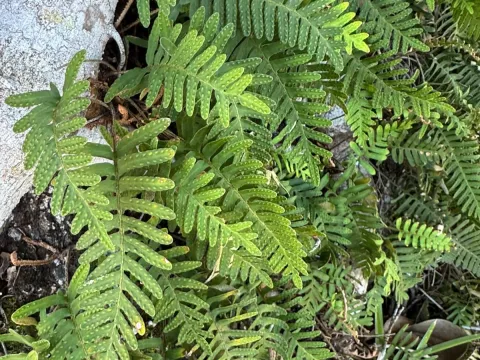
Pleopeltis
Pleopeltis
Pleopeltis is a genus of ferns within the Polypodiaceae family, characterized by an epiphytic growth habit. These plants are naturally adapted to living on tree branches or rocky crevices, where they derive nutrients and water from rain and accumulated debris.
What the section contains


Pleopeltis
Originating from tropical and subtropical regions across the Americas, Africa, and Asia, these ferns have developed resilience to changing moisture levels. Their distribution depends heavily on high humidity and the presence of suitable microclimates in forested areas.
Botanically, Pleopeltis is distinguished by its creeping rhizomes and coriaceous, leathery fronds. These specialized leaves help the plant conserve water in the canopy, where soil moisture is unavailable, making them highly efficient in arid-prone epiphytic conditions.
Cultivation requires specific conditions to ensure long-term health, including the use of well-draining, bark-based substrates. Consistent humidity is crucial, and the environment should mimic the dappled light conditions found in forest canopies to prevent leaf scorch.
The primary use of Pleopeltis is in the ornamental plant industry, particularly in interior landscaping and terrarium design. Its ability to thrive in vertical arrangements makes it a popular choice for high-end residential and commercial botanical displays.
Overwatering is the most significant threat to the survival of Pleopeltis, as the rhizomes are highly susceptible to root rot when submerged in stagnant water for prolonged periods.
Spider mites represent the most common pest pressure, especially when the ambient humidity is too low, leading to discoloration and eventual death of the fronds.
Scale insects can also infest the stems and undersides of leaves, drawing sap and creating conditions for sooty mold growth if left untreated.
Fungal leaf spot diseases are frequently encountered when air circulation is poor, necessitating regular monitoring and improved ventilation to keep the foliage dry.
Maintaining a balanced environment with moderate airflow is the best preventative strategy against both bacterial and fungal outbreaks in indoor collections.