
Polypody
Polypodium vulgare
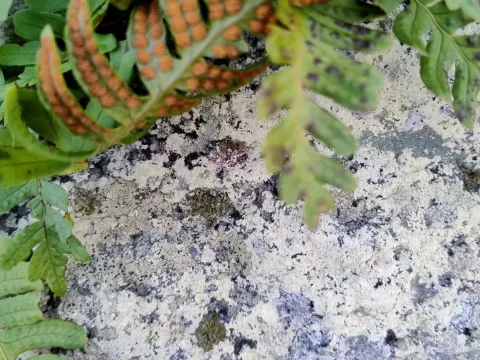
Common polypody (Polypodium vulgare) is a resilient perennial fern belonging to the Polypodiaceae family. It is distinguished by its creeping rhizomes and evergreen, leathery fronds that thrive in shaded, cool, and humid environments.
What the section contains
Polypody
The native range of this species encompasses much of Europe, North America, and parts of Asia. It naturally grows as an epiphyte on mossy trunks or as a lithophyte in rock crevices, demonstrating its adaptability to low-nutrient, organic-rich substrates.
For successful cultivation, gardeners should prioritize well-drained, acidic to neutral soil rich in forest leaf mold. Providing a consistent moisture level without waterlogging is crucial to mimic its natural environment in woodland habitats.
Light requirements for the plant include dappled shade or indirect sunlight. Exposure to harsh afternoon sun will scorch the fronds and weaken the rhizome, so positioning the plant on the northern or eastern side of a structure is recommended.
In terms of хозяйственного (utilization), the rhizome of the common polypody has historical significance in traditional medicine. It contains saponins and glycyrrhizin, valued for their potential expectorant and cholagogic properties in herbal remedies.
The most significant threats to Polypodium vulgare include fungal pathogens like Rhizoctonia, which cause root rot under conditions of poor drainage. Ensuring that the planting medium remains airy and non-compacted is the primary defense strategy.
Pests such as scale insects and spider mites are frequent invaders in indoor settings or greenhouses with low humidity. Regular misting and cleansing of the foliage are effective non-chemical interventions for managing these pest populations.
Slugs and snails pose a seasonal threat to the outdoor plantation, often feeding on the tender emerging fronds. Implementing biological barriers or physical collection is preferred over synthetic molluscicides to maintain the ecological balance.
Leaf spot diseases may occur during periods of high humidity and limited airflow. To mitigate this, growers should promote good circulation and avoid overhead watering that keeps the leaf surfaces wet for extended periods.
Overall plant health is closely tied to the quality of the rhizome environment. Regular monitoring of the soil moisture levels and keeping the base of the plant free from decaying debris will help maintain a vigorous and disease-free colony.