
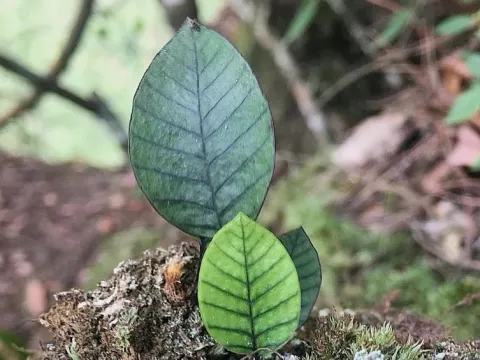
Selliguea
Selliguea
Selliguea is a genus of ferns belonging to the family Polypodiaceae. These plants are primarily recognized as epiphytes or lithophytes, possessing creeping rhizomes that allow them to colonize tree bark or rocky surfaces in their native tropical habitats.
What the section contains


Selliguea
Native to Southeast Asia and the Pacific region, Selliguea species thrive in humid, shaded environments such as tropical rainforests. Their biological structure is adapted to these high-moisture conditions, requiring specialized care when kept as houseplants.
To cultivate these ferns successfully, the substrate must be highly porous and well-draining. A mix of orchid bark, peat, and sphagnum moss is recommended to ensure that the roots receive adequate aeration while maintaining constant moisture levels.
Environmental requirements include bright, indirect light. Direct sunlight can easily damage the delicate fronds, leading to browning and necrosis. Consistent indoor temperatures between 18°C and 25°C are ideal for healthy growth throughout the year.
Humidity is the most critical factor for maintaining Selliguea. These plants require environmental moisture levels above 60%. Using a humidifier or placing the pot on a tray with pebbles and water can help mitigate the effects of dry indoor air.
Common pests attacking Selliguea include scale insects and spider mites. These pests thrive in dry air conditions and can quickly stunt the growth of the fern if not addressed early with insecticidal soaps or neem oil.
Root rot is the most prevalent pathological threat, usually triggered by overwatering or soil that lacks adequate drainage. If the substrate stays soggy, the rhizomes may begin to decompose, necessitating immediate repotting.
Fungal leaf spot diseases are frequently observed when air circulation is poor. To prevent these infections, it is essential to ensure that there is sufficient ventilation in the plant's growing area.
Chlorosis, indicated by the yellowing of fronds, is often a sign of nutrient deficiency or a pH imbalance in the growing medium. Maintaining a slightly acidic substrate pH usually resolves these issues.
Fragile frond tips often serve as an early warning sign of environmental stress, such as exposure to cold drafts or inconsistent watering patterns. Regularly monitoring the moisture level of the substrate is vital for plant health.