
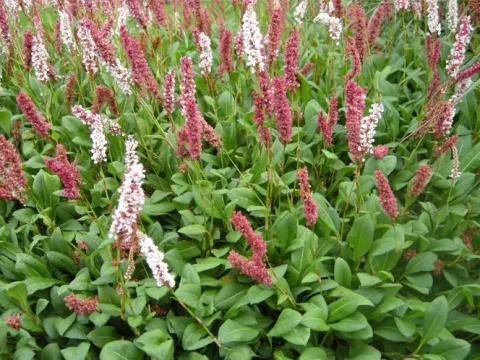
Polygonum persicarioides
Polygonum persicarioides
Polygonum persicarioides is an herbaceous plant belonging to the Polygonaceae family, known for its rapid growth and adaptability to various soil conditions.
What the section contains
Polygonum persicarioides
The optimal time for sowing is during the early spring season, ensuring the soil has reached a temperature suitable for seed germination.
Seeds should be planted at a shallow depth to ensure they receive sufficient light for the activation of biological processes required for growth.
Adequate spacing between rows is critical to provide each plant with access to sunlight and nutrients, minimizing competition within the crop canopy.
Consistent moisture levels immediately following the sowing process significantly increase the percentage of seed emergence in field conditions.
This crop thrives in diverse climates, favoring regions with reliable moisture supply throughout the main growing season.
The plant demonstrates a strong preference for fertile, well-drained loamy soils that can retain sufficient moisture for active development.
Sunlight exposure is a major factor in biomass production; therefore, open sites without significant canopy interference are recommended.
Soil nutrient levels should be managed through balanced fertilization, focusing on organic matter content to improve soil structure and water retention.
While the plant is hardy, it benefits from weed control practices in the early stages to reduce competition for soil resources.
Although generally robust, the plant can be susceptible to common leaf spot diseases if environmental humidity remains excessively high.
Insect pests such as aphids may congregate on succulent plant tissues, requiring proactive monitoring and potential management interventions.
Good agricultural practices, including crop rotation, play a vital role in minimizing the accumulation of soil-borne pathogens and pest populations.
Airflow management through proper planting density is the primary defense against foliage diseases triggered by moisture stagnation.
Regular monitoring of plant health allows farmers to apply precise control measures only when necessary, supporting integrated pest management goals.
Harvesting should ideally occur at the peak of the flowering stage, which ensures the highest concentration of desired compounds within the plant tissue.
Mechanical harvesting is generally performed at a specific height above the ground to facilitate efficient collection while preserving plant health.
Post-harvest handling is critical; the harvested material must be transported and prepared for drying without delays to prevent quality degradation.
Drying facilities must provide adequate ventilation and temperature control to protect the integrity of the harvested plant matter during the process.
Properly dried and packaged products are stored in climate-controlled environments to maintain stability and shelf-life until final distribution.