
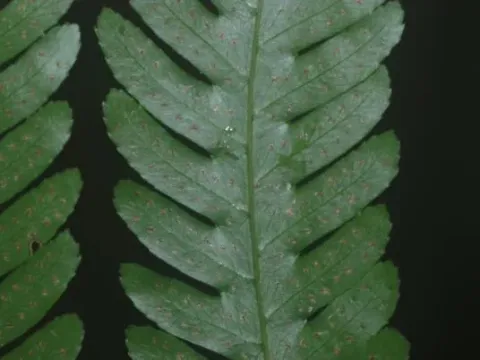
Pteridrys syrmatica
Pteridrys syrmatica
Pteridrys syrmatica is a distinctive species of fern belonging to the Tectariaceae family. It is recognized for its elegant, pinnately divided fronds that thrive in understory tropical forest conditions, reflecting its ecological adaptation to low-light and high-humidity environments.
What the section contains
Pteridrys syrmatica
The native range of this species is primarily concentrated in Southeast Asian tropical zones. In an agricultural or horticultural setting, it requires consistently high humidity levels, often exceeding 70 percent, to maintain healthy foliage development.
Soil requirements for this fern are quite specific, favoring an airy, porous medium enriched with organic matter. A mix of peat, bark, and perlite is often utilized to ensure excellent drainage and prevent the soil from becoming overly compacted.
Botanically, Pteridrys syrmatica features robust rhizomes that support multiple fronds. The development of reproductive structures, known as sori, occurs on the abaxial side of the leaf segments, following the typical lifecycle of true ferns.
Its primary utilization is within the ornamental sector, particularly for greenhouse displays and specialized collections. Due to its unique architectural form, it is highly valued by enthusiasts of tropical pteridophytes for interior and conservancy landscaping.
The most common diseases affecting Pteridrys syrmatica are fungal infections, such as leaf spot, which thrive in stagnant, humid air. Improper ventilation is often the primary factor leading to the proliferation of these pathogens.
Pests such as spider mites and mealybugs present a significant threat, especially when the plant is kept in conditions with suboptimal humidity. These pests can cause severe damage to the delicate vascular system of the fronds.
Effective management includes maintaining a stable microclimate and performing regular inspections of the foliage. Avoiding overhead watering reduces the risk of leaf-based bacterial or fungal issues common in dense fern clusters.
When chemical interventions are required, it is essential to use products specifically formulated for delicate ferns. Many standard pesticides may cause phytotoxicity, resulting in tissue damage to the tender growth tips.
Cultural practices such as removing dead or damaged fronds are crucial for disease prevention. Maintaining clean growing conditions helps to mitigate the spread of spores and pests throughout the plant collection.