
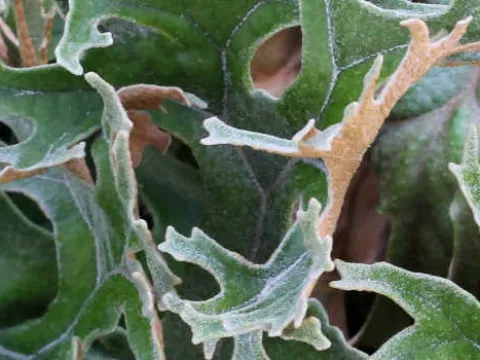
Pyrrosia
Pyrrosia
Pyrrosia is a genus of ferns belonging to the family Polypodiaceae. Characterized by their leathery, often succulent-like fronds, these plants are predominantly epiphytic or lithophytic, native to tropical and subtropical regions across Asia, Africa, and parts of Australia.
What the section contains


Pyrrosia
The primary requirement for successful cultivation is a well-draining, airy substrate. A mix consisting of pine bark, perlite, and peat is often ideal for replicating their natural habit of growing on tree branches or rock crevices with minimal soil accumulation.
Lighting should be bright but indirect. Direct sunlight can scorch the fronds, whereas insufficient light will lead to spindly growth and a loss of the plant's characteristic robustness. East or north-facing windows are usually the most suitable locations.
Temperature and humidity are key factors in maintaining these ferns. They thrive in moderate warmth and require high ambient humidity. In dry climates, the use of pebble trays or ultrasonic humidifiers is highly recommended to prevent leaf desiccation.
Watering should be performed when the top layer of the substrate begins to dry. It is essential to avoid waterlogging the roots, as Pyrrosia species are highly susceptible to crown and root rot when kept in consistently soggy conditions.
Scale insects are a common pest for Pyrrosia, often hiding on the undersides of the leathery leaves. These pests sap nutrients from the plant and secrete honeydew, which can lead to the development of sooty mold, damaging the aesthetic and health of the fern.
Root rot is the most frequent disease caused by improper irrigation practices. Symptoms include wilting despite moist soil, blackening of the roots, and a foul smell from the substrate. Immediate repotting into fresh, sterile mix is often necessary to save the plant.
Spider mites can become problematic during the winter months when indoor heating lowers the humidity. They cause stippling and discolouration of the fronds, which can be managed by increasing humidity and cleaning the plant regularly with damp cloths.
Mealybugs can infest the base of the rhizomes. These pests are often protected by their white, waxy secretions, making contact insecticides less effective. Targeted application of systemic insecticides or manual removal is recommended for effective control.
To ensure long-term health, growers should maintain adequate ventilation around the plants. Stagnant air combined with high humidity provides a perfect environment for fungal spores to settle on the fronds, leading to various types of leaf spotting diseases.