
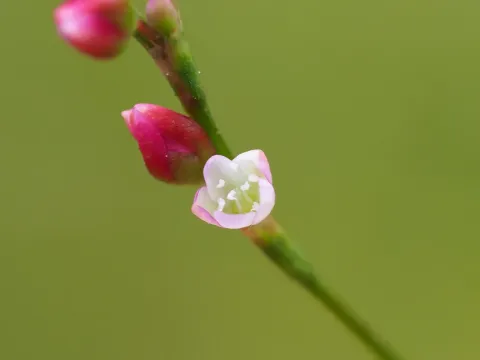
Persicaria pubescens
Persicaria pubescens
Persicaria pubescens is a warm-season crop that requires soil temperatures of at least 15 degrees Celsius to achieve successful germination.
What the section contains
Persicaria pubescens
In temperate climates, it is recommended to start seeds indoors in trays about six weeks before the last expected spring frost date.
Seeds should be covered with a very thin layer of soil and kept consistently moist until seedlings emerge, which typically takes 10 to 14 days.
Once established, the seedlings should be hardened off and transplanted into the field with a spacing of 30 centimeters between individual plants.
Direct seeding in the field is possible in regions with long growing seasons, provided the site is cleared of competing weeds prior to sowing.
This species, belonging to the Polygonaceae family, thrives in fertile, moisture-retentive soils with an acidic to neutral pH profile.
Water availability is the most critical factor for the growth of this plant; it prefers low-lying areas or sites with efficient irrigation systems.
While it prefers full sun, Persicaria pubescens is tolerant of partial shade, which can be beneficial in climates with extremely high summer temperatures.
Application of compost or organic fertilizers at the time of planting provides the necessary nutrients for vigorous vegetative development.
The plant is frost-tender and requires a frost-free environment to maximize the biomass yield throughout the growing season.
The yield of Persicaria pubescens is measured by the total amount of leafy biomass harvested throughout the growing cycle.
Frequent harvesting encourages lateral branching and results in a more dense and productive canopy of foliage.
Under optimal management, growers can expect multiple harvests, with each successive cutting providing fresh, tender leaves.
Dry matter yield depends heavily on the intensity of sunlight and the adequacy of moisture supplied during the main growth phase.
Overall productivity per unit area remains competitive with other leafy culinary herbs when grown in dedicated intensive plots.
Gastropods such as slugs and snails are the primary pests of this crop, especially in humid and shaded growing environments.
Fungal pathogens may emerge if air circulation is poor, particularly in plantings that are spaced too closely together.
Aphids might colonize the tender shoots during dry periods, requiring close monitoring and timely intervention to prevent damage.
Effective weed management is essential during the early stages of growth, as the plant can be easily suppressed by vigorous competitors.
Using mulch can help suppress weeds while simultaneously maintaining the soil moisture levels the plant requires for survival.
Harvesting should be performed when the plants reach a height of approximately 25-30 centimeters to ensure high-quality material.
The stems are cut cleanly to avoid damaging the crown of the plant, allowing for rapid regeneration of new foliage.
Immediate post-harvest processing is required to remove debris and to cool the produce, preventing rapid wilting of the leaves.
If harvesting for seeds, the plants should be left to mature fully until the flowering spikes turn brown and the seeds begin to loosen.
Post-harvest rejuvenation of the soil through additional fertilization is recommended to prepare the field for subsequent growth cycles.