
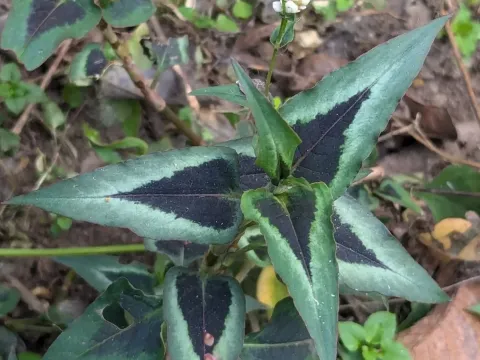
Persicaria microcephala
Persicaria microcephala
Persicaria microcephala belongs to the Polygonaceae family and is recognized as a distinctive perennial plant prized for its elegant, foliage-focused ornamental appeal in garden landscapes.
What the section contains
Persicaria microcephala
The species originates from East Asia, where it thrives in naturally moist and temperate woodland margins. Its expansion into international cultivation has been driven by its ability to adapt to diverse garden settings.
To achieve optimal growth, this plant requires fertile, well-draining, and moisture-retentive soils. It performs best in substrates rich in organic matter with a neutral to slightly acidic pH level.
A location offering partial shade is ideal for this cultivar, as it protects the delicate foliage from excessive heat and direct sunlight. Consistent moisture is vital, particularly during the active growth phases of the plant.
Standard horticultural practices for this species include applying balanced liquid fertilizers during the spring, removing weeds promptly, and maintaining a layer of organic mulch to regulate soil temperature.
The primary threat to the health of Persicaria microcephala is waterlogged soil. Excess moisture around the root zone frequently leads to root rot, which can cause rapid decline if drainage is insufficient.
In high-humidity environments, fungal pathogens such as powdery mildew can affect the leaves. Ensuring adequate spacing between plants is crucial to promote airflow and minimize the risk of such infections.
Insect pests, including aphids and various mites, may target the tender leaves. Regular monitoring of the plant canopy is advised to detect infestation early and apply organic or chemical control methods as needed.
Frost sensitivity can be an issue in colder climates. In regions with harsh winters, providing a layer of mulch or protective fabric helps insulate the crown and prevents deep freezing of the root system.
Proper plant hygiene, such as cutting back old foliage during the late autumn or early spring, contributes to the overall vigor of the plant and limits the habitat for potential wintering pests.