
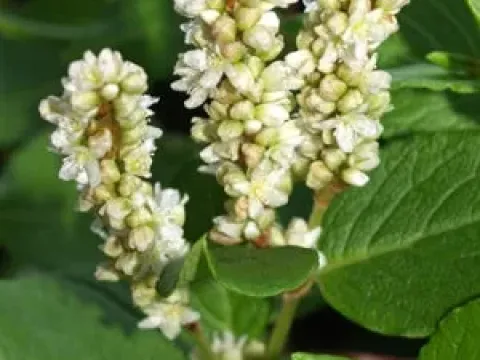
Persicaria nakaii
Persicaria nakaii
Persicaria nakaii, a member of the Polygonaceae family, is a vigorous perennial herbaceous plant typically propagated through division of established root clumps.
What the section contains
Persicaria nakaii
The ideal planting window is during early spring when the soil begins to warm, or early autumn, allowing the root system to settle before the ground freezes.
When propagating via seeds, sow them in late autumn outdoors; this provides the necessary cold stratification period that significantly improves germination rates in spring.
Select a spacious location for planting, as this species features an aggressive root system and tends to spread quickly, forming dense, healthy colonies.
Seeds should be covered with a very thin layer of soil or compost, no more than 1 cm deep, to ensure they receive enough light while staying in contact with moisture.
The plant thrives in moist, well-drained, and nutrient-rich soils, reflecting its natural preference for environments with consistent water availability.
While Persicaria nakaii performs well in full sun, it is highly adaptable to partial shade, where the leaves often exhibit more intense and vivid colorations.
Maintaining adequate soil moisture is critical; during extended dry spells, regular irrigation is necessary to prevent wilting and maintain plant vigor.
The preferred soil pH range is between 6.0 and 7.0, which allows for optimal nutrient uptake and promotes strong, healthy vegetative growth throughout the season.
The species is generally hardy; however, in regions prone to severe winters with little snow cover, applying a layer of organic mulch around the base is recommended.
Persicaria nakaii is remarkably resilient and rarely faces significant pressure from common agricultural or garden-related plant diseases.
In poorly drained soils or areas with excessive standing water, plants may become susceptible to root rot, caused by soil-borne fungal pathogens.
Aphids can occasionally colonize young stems during periods of low humidity or drought, which may require minor intervention if populations spike.
Integrated pest management, including the use of neem oil or soft soap sprays, is typically sufficient to handle minor insect infestations without damaging the plant.
Good airflow and spacing between plants are the best preventative measures against fungal issues, ensuring leaves dry quickly after rainfall or irrigation.
The primary economic and horticultural use of this plant is in landscape design, with harvesting focused on cutting inflorescences for decorative floral arrangements.
Flowers should be harvested at the peak of their blooming period to ensure maximum color saturation and long-lasting quality when used in vases.
At the end of the growth season in late autumn, the stems should be cut back to the ground, leaving small stubs approximately 5 to 10 centimeters tall.
If harvesting for seeds, gather the seed heads once they turn brown, then dry them in a well-ventilated, shaded area to prevent mold growth and ensure viability.
Proper seasonal sanitation by removing dead foliage and debris is essential for maintaining the vigor of the plant and preparing the site for the next cycle.