
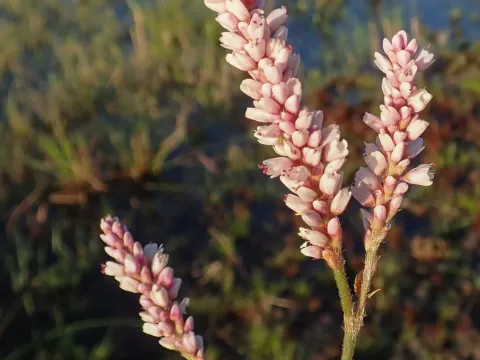
Persicaria limbata
Persicaria limbata
Persicaria limbata is a plant species belonging to the Polygonaceae family. It is recognized as a hydrophyte, typically found in wet habitats such as marshlands, riverbanks, and flood-prone agricultural areas where soil moisture remains high throughout the growing season.
What the section contains
Persicaria limbata
Botanically, this species is defined by its robust stem structure and lanceolate leaves. Its growth pattern is highly adaptive to flooded conditions, allowing it to thrive where other standard crops would fail due to waterlogging or soil hypoxia.
The cultivation requirements for Persicaria limbata center on high moisture availability. It thrives in rich, silty, or loamy soils that possess high water-holding capacity. Neutral to slightly acidic soil pH levels are optimal for nutrient uptake and overall biomass production.
Regarding climate, the plant prefers warm environments with consistent rainfall or proximity to water bodies. It demonstrates strong resilience against temporary fluctuations in water levels, making it suitable for specialized land management in wetlands or flood plains.
Economically, the plant is utilized for environmental remediation and soil stabilization. Its fast-growing biomass makes it a candidate for sustainable agriculture projects, specifically in areas where land reclamation is necessary through the cultivation of water-adapted species.
Like many members of the Polygonaceae family, Persicaria limbata faces threats from specific pathogens that thrive in humid environments. Fungal infections, such as powdery mildew and various leaf rusts, are the most frequent causes of yield degradation.
Pests including aphids and certain leaf-eating beetles can cause significant damage to foliage. Given the proximity of these crops to water sources, integrated pest management strategies are prioritized to prevent chemical contamination of local aquatic ecosystems.
Good agricultural practices are essential to mitigate disease pressure. Maintaining proper spacing between plants is crucial to ensure air circulation, which prevents the build-up of excess moisture within the canopy and discourages the spread of fungal spores.
Field maintenance involves regular monitoring for signs of infestation or necrosis. Quick identification of hotspots allows for targeted removal of infected plants, which serves as a containment method to prevent the spread of diseases across the entire cultivated area.
Soil management also plays a role in plant health. Ensuring that the substrate remains dynamic and not overly stagnant helps prevent the development of root rots, which are particularly dangerous for this species if the water quality deteriorates during the hot season.