
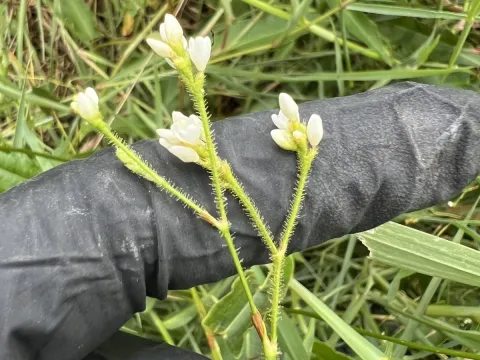
Persicaria strigosa
Persicaria strigosa
Persicaria strigosa belongs to the Polygonaceae family. This species is typically found in wetland habitats, riparian zones, and areas with consistent soil moisture levels, making it a specialized crop for specific landscapes.
What the section contains
Persicaria strigosa
The sowing process involves planting seeds in spring once the soil temperature is consistently above 15 degrees Celsius. Ensuring moisture is critical, as the seeds require a damp medium to germinate effectively.
Botanically, the plant is distinguished by its bristly hairs on the stems and leaves, which serve as its primary identifying feature. It produces small, dense inflorescences that contribute to its aesthetic value in various plantings.
Cultivation is most successful in regions that mimic its natural humid environment. When sowing, it is essential to prepare a fine tilth that promotes rapid root establishment for the young seedlings.
The growth cycle is relatively rapid, allowing for multiple stages of development within a single season. Proper spacing during sowing is vital to prevent overcrowding and ensure adequate airflow for the maturing plants.
This crop thrives in fertile, moist soil conditions. Ideally, the soil should be rich in organic matter, which supports the plant's high water demands throughout the growing season.
Regarding light, it performs best in full sun to partial shade. In areas with high heat intensity, partial shade is preferred to prevent the leaves from scorching and to maintain soil humidity.
Climatic requirements are centered around the need for moderate temperatures and high humidity. It is sensitive to prolonged droughts, which can lead to premature wilting and reduced overall biomass.
Agronomic management includes maintaining a steady moisture regime. Irrigation should be consistent, especially during the dry periods of summer, to prevent stress to the root system.
The use of balanced fertilization, specifically focusing on nitrogen and phosphorus, can significantly boost the growth rate. However, fertilizers should be applied carefully to avoid excessive nutrient runoff.
The primary threats include fungal diseases such as leaf spots and root rots, which often occur in poorly drained soils where water remains stagnant for too long.
Pests like aphids and spider mites are common in dry, warm conditions. Monitoring is essential, and physical removal or organic soaps are often sufficient to manage these populations effectively.
Disease prevention is largely achieved through cultural practices. Ensuring proper spacing between plants allows for improved air circulation, which significantly reduces the risk of mildew development.
Weed control is necessary during the early stages of the plant's life. Once the plants reach full size, they usually provide enough ground cover to suppress most competing weed species.
Regular monitoring of plant health, especially the underside of the leaves, helps in early detection of potential infestations, allowing for prompt and targeted management actions.