
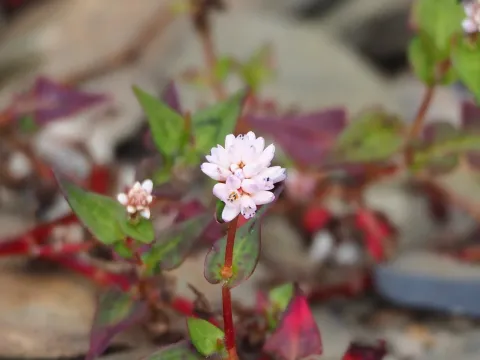
Persicaria runcinata
Persicaria runcinata
Persicaria runcinata is a perennial herbaceous plant belonging to the Polygonaceae family. It is native to the mountain regions of Asia, specifically inhabiting the Himalayas and parts of China.
What the section contains
Persicaria runcinata
The plant thrives in moist, humus-rich, and well-draining soils. It is highly sensitive to soil compaction and prefers a slightly acidic to neutral pH level to ensure proper nutrient uptake.
In terms of light exposure, Persicaria runcinata performs best in partial shade. Excessive direct sunlight can cause leaf scorching and moisture stress, especially in warmer climates where the plant is cultivated.
Constant soil moisture is vital for this species. It is well-suited for cultivation near water features or in irrigated garden beds where humidity remains consistently high throughout the growing season.
Climate adaptation involves protecting the root system during winter. In regions with harsh, freezing winters, covering the soil with organic mulch is essential to maintain the viability of the perennial roots.
Common pests affecting Persicaria runcinata include aphids and spider mites. These pests are particularly active during periods of low humidity, often colonizing the undersides of the leaves.
Powdery mildew is a significant fungal threat, characterized by a white powdery coating on the foliage. It usually develops in environments with poor air circulation and high humidity levels.
Root rot is another concern, typically triggered by waterlogged soil conditions and poor drainage. Ensuring the soil has adequate drainage is the primary defense against these subterranean pathogens.
Cultural control methods such as proper spacing and regular thinning of the foliage are recommended to maintain healthy air movement and reduce the incidence of fungal diseases.
Integrated pest management strategies should be employed if infestation levels exceed economic thresholds, prioritizing the use of horticultural oils or organic soap solutions to manage pest populations effectively.