
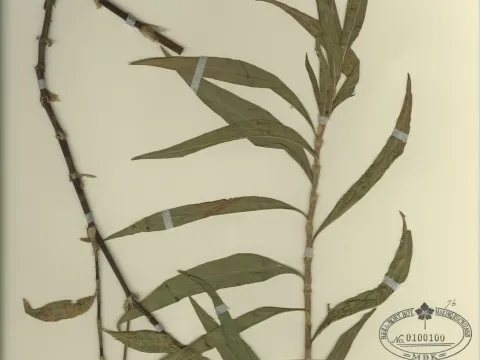
Persicaria stagnina
Persicaria stagnina
Persicaria stagnina is a member of the Polygonaceae family. This perennial herb is native to regions where aquatic or semi-aquatic habitats provide a constant source of moisture, making it highly specialized for waterlogged soils.
What the section contains
Persicaria stagnina
The botanical structure of the plant features sturdy, upright stems and lanceolate leaves that are optimized for high-humidity environments. Its root system is specifically adapted to function in low-oxygen soil conditions found near wetlands.
The cultivation of this crop requires adequate solar exposure. While it tolerates partial shade, full sunlight is preferred to ensure optimal biomass production during the warm growing season.
Soil requirements focus on high organic content and consistent moisture levels. It thrives best in soils that are either neutral or slightly acidic, provided the drainage is managed to prevent toxic buildup.
Agrotechnical management involves maintaining a high water table and ensuring that soil aeration is sufficient to avoid root asphyxiation, despite the plant's affinity for wet conditions.
Fungal pathogens represent the most significant threat to Persicaria stagnina. Poor air circulation in overly dense plantings under humid conditions often triggers mold development.
Insects, particularly leaf-chewing beetles, can cause localized damage to the foliage, which necessitates monitoring and integrated pest management during the peak growth months.
Drought stress, although rare in the context of its natural habitat, causes immediate growth cessation and makes the plant susceptible to secondary biological threats.
Invasive weed species compete with the crop for space and sunlight, often requiring manual or selective mechanical clearing to protect the primary planting area.
Root system issues, such as soil-borne decay, are exacerbated by poor crop rotation practices, leading to the buildup of pathogenic organisms that can ruin an entire harvest.