
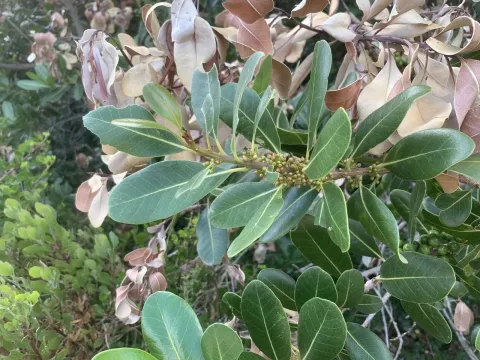
Bumelia
Bumelia
Bumelia (currently accepted as Sideroxylon) is a prominent genus within the Sapotaceae family, encompassing various species of evergreen and deciduous trees and shrubs. These plants are primarily native to the tropical and subtropical regions of the Americas, thriving in diverse geographical conditions.
What the section contains
Bumelia
Successful cultivation of Bumelia requires well-drained soil and high levels of solar exposure. While these trees can tolerate poor soil quality and rocky substrates, they struggle in waterlogged environments where root respiration is compromised, necessitating careful site selection.
Agronomic practices for these plants focus on maintaining steady development during early stages. Once established, Bumelia species are known for their resilience and ability to withstand periods of low rainfall, making them suitable for regions with alternating wet and dry seasons.
Climatic adaptability is a defining feature of the genus, though they are highly sensitive to frost. For commercial production in non-tropical zones, specialized greenhouse environments are required to maintain temperatures above critical thresholds for survival and growth.
Economically, Bumelia is highly regarded for its dense, durable wood, which has been used historically for construction and tools. Additionally, certain species produce fruits that are utilized in local markets, and their latex-containing tissues serve as a subject of botanical and medicinal research.
The health of Bumelia plantations is primarily threatened by fungal pathogens that flourish in high humidity. Root rot and foliage blight are the most common issues, which usually develop when standard agricultural practices, such as proper spacing and drainage, are neglected.
Insect pests, specifically scale insects and mealybugs, pose a recurring challenge. These pests feed on plant sap, leading to stunted growth and potentially severe defoliation if left unchecked, requiring a structured approach to integrated pest management.
Stem borers represent a more severe, albeit less frequent, threat. These organisms bore into the woody trunk, causing internal structural damage that is difficult to treat once the infestation becomes established, underscoring the importance of early detection and preventative maintenance.
Maintaining optimal spacing between trees is critical for maximizing airflow throughout the canopy. This simple agronomic practice significantly lowers the probability of fungal spore germination and creates an environment less conducive to the proliferation of major insect colonies.
The implementation of biopesticides and biological control agents, such as beneficial predators, is recommended for commercial operations. This approach helps maintain the ecological balance within the plantation while effectively managing pest populations and ensuring the long-term productivity of the trees.