
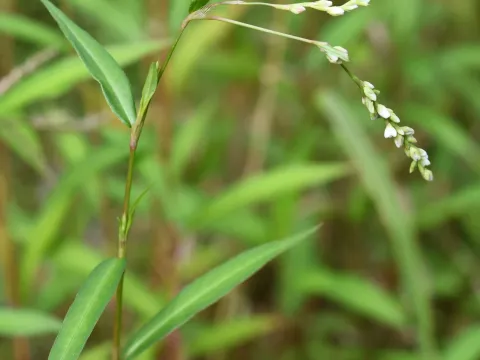
Persicaria mitis
Persicaria mitis
Persicaria mitis, commonly known as tasteless water-pepper or mild water-pepper, is an annual herbaceous plant belonging to the Polygonaceae family. It is often found in moist habitats, reflecting its natural preference for wet conditions and nutrient-rich substrates.
What the section contains
Persicaria mitis
The plant thrives in soil conditions characterized by high moisture levels, such as marshy areas, floodplains, and damp meadow edges. It requires a stable water supply and is highly adapted to soils with varying degrees of water saturation throughout the growing season.
Climatic requirements focus on temperate conditions with sufficient rainfall. Persicaria mitis is sensitive to drought, which acts as a limiting factor for its biomass production. It performs best in areas where humidity levels remain relatively high during peak vegetative growth.
Botanical morphology includes an upright, branching stem that can reach significant heights depending on soil fertility. The leaves are typically lanceolate and smooth, while the inflorescence consists of slender, pinkish-white spikes that bloom from mid-summer until autumn.
The root system is fibrous and shallow, allowing for quick nutrient absorption in moist environments. As an annual species, it relies entirely on its seed bank for regeneration, producing numerous small achenes that can persist in the soil for several years.
The species is susceptible to various fungal pathogens, particularly under conditions of poor air circulation and excessive humidity. Powdery mildew is the most common disease, manifesting as a white coating on leaves and potentially reducing plant vigor.
Aphids represent the primary insect threat, frequently aggregating on the succulent tips of stems. Their feeding activity causes leaf curling and can transmit plant viruses, which weakens the plant and reduces its attractiveness in any potential use.
Weevils and certain beetle species may damage the developing floral parts and seeds. In agricultural or horticultural settings, this herbivory can interfere with seed production and hinder the natural propagation of the population if not monitored correctly.
Integrated management involves maintaining optimal spacing and site drainage to prevent disease outbreaks. Removing plant debris after the growing season helps in reducing the overwintering population of pests and the inoculum of fungal pathogens.
Biological controls, such as the introduction of predatory insects, are effective in managing aphid populations. Chemical intervention should be reserved for severe infestations and applied strictly according to safety protocols to protect the local ecosystem.