
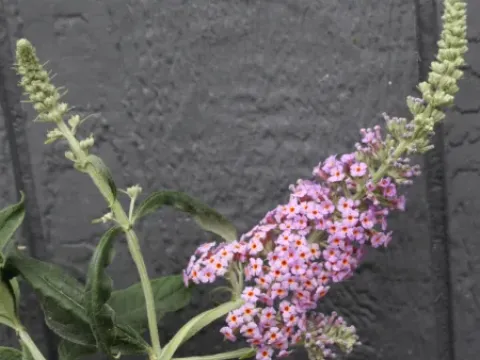
Buddleia spicata
Buddleia spicata
Buddleia spicata is a perennial shrub belonging to the Scrophulariaceae family, valued for its unique spike-like inflorescences. This woody plant is characterized by its adaptability, making it a popular choice for structured landscapes and ornamental gardens across various climatic zones.
What the section contains
Buddleia spicata
Originating from temperate regions of Asia, the plant thrives in areas with high light intensity and well-aerated soils. It is essential to ensure the planting site receives at least six hours of direct sunlight daily to promote vigorous growth and healthy flower production.
The soil requirements for Buddleia spicata involve well-drained, fertile substrates. The species is highly sensitive to waterlogged conditions, which can lead to root rot; therefore, the soil must be light and breathable, ideally with a pH level between 6.0 and 7.5.
Agricultural management includes regular fertilization during the early spring to support the development of new shoots. Application of nitrogen-rich organic fertilizers or balanced mineral complexes significantly enhances foliage density and the size of the flower spikes.
Pruning is a mandatory agronomic practice for this species, as it blooms primarily on new growth. Cutting back the shrub to 20-30 centimeters above the ground each spring ensures stronger, more floriferous stems, preventing the plant from becoming woody and sparse over time.
Common pests affecting Buddleia spicata include spider mites and aphids, which frequently colonize the underside of leaves during hot and dry spells. These pests cause stunted growth and yellowing, necessitating early intervention to preserve the aesthetic value of the bush.
Fungal pathogens such as grey mold and root rot pose a threat if humidity levels are consistently too high. Improving air circulation by spacing plants appropriately is the best defense against these diseases in humid environments.
Integrated pest management strategies are recommended, starting with the removal of dead leaves and organic debris from the base of the plant. This reduces the habitat for overwintering pests and lowers the overall fungal spore load in the garden soil.
Application of fungicides should be performed preventatively during periods of prolonged rainfall or high humidity. Using eco-friendly soaps or specific horticultural oils can effectively manage mite populations without harming the beneficial pollinators attracted to the spikes.
Consistent monitoring of plant vigor allows the grower to address nutrient deficiencies or pest outbreaks before they become severe. Proper garden hygiene and strictly following irrigation schedules are the cornerstones of maintaining a healthy Buddleia population.