
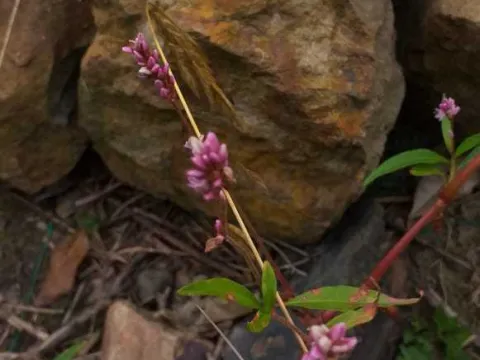
Persicaria segetum
Persicaria segetum
Persicaria segetum is a plant species belonging to the Polygonaceae family. It is recognized for its adaptability and specific ecological niches within various agricultural landscapes.
What the section contains
Persicaria segetum
Native to temperate regions of Eurasia, the plant has evolved to thrive in environments with seasonal moisture fluctuations. It prefers temperate climates with a steady supply of precipitation during the growth cycle.
Soil requirements focus on fertility and drainage. Deep, well-structured soils that allow for efficient root development are ideal for maximizing the vegetative biomass of the plant.
Management practices require full sun exposure, as the crop is sensitive to shade, which can delay maturity and reduce seed weight significantly.
Agronomic planning should prioritize balanced fertilization and spacing to ensure proper airflow through the canopy, reducing the risk of moisture-related physiological issues.
Disease management is critical for Persicaria segetum, with fungal leaf spots and root rots being the primary concerns in high-humidity areas.
Insect pests, including aphids and beetle larvae, can impact yield by feeding on young foliage and stem tissue, necessitating timely intervention.
Crop rotation remains the most effective biological strategy to prevent the buildup of soil-borne pathogens and to disrupt the life cycles of common pests.
Integrated Pest Management (IPM) protocols, including the use of pheromone traps and beneficial insect conservation, help maintain population balances in the field.
Regular field scouting is essential to identify early symptoms of biotic stress and to apply targeted control measures before widespread damage occurs.