
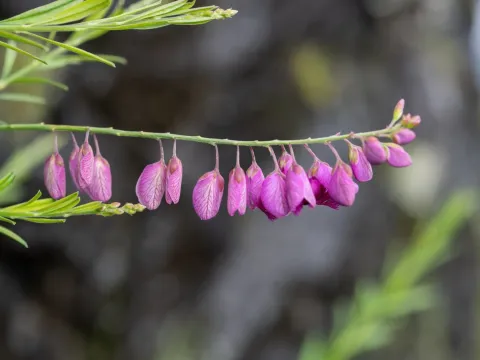
Polygala virgata
Polygala virgata
Propagation of Polygala virgata is primarily achieved through seeds or semi-hardwood cuttings. Seeds possess a hard seed coat and require scarification or stratification to enhance germination rates.
What the section contains
Polygala virgata
Sowing should be done in early spring in a well-draining, sterile potting mix. The seeds need warmth (approximately 18-22 degrees Celsius) and high humidity to initiate the sprouting process effectively.
For cuttings, select healthy shoots during the active growing season. Removing lower leaves and using a rooting hormone can significantly improve the establishment of new plants in greenhouse conditions.
Once the seedlings or rooted cuttings reach a height of 10-15 centimeters, they can be acclimated to outdoor conditions. Proper hardening off is essential to prevent shock when transitioning to a permanent site.
Spacing is vital for this species, as it requires adequate airflow to prevent foliage diseases. A distance of at least 70 centimeters between plants is recommended for garden landscapes.
Polygala virgata, belonging to the Polygalaceae family, is a distinct shrub native to Southern Africa. It is characterized by its slender, erect stems that bear masses of vibrant purple or magenta flowers.
This species thrives in full sun exposure. It is highly sensitive to shade, which can lead to sparse growth and reduced flowering. Therefore, selecting a bright location is paramount for its success.
The soil must be well-drained and slightly acidic to neutral. Polygala virgata struggles in heavy, waterlogged clay soils, which often lead to inevitable root decay and overall decline of the plant.
Climate tolerance is limited; the plant prefers subtropical conditions. In colder climates, it must be grown in containers and moved indoors or into a frost-free greenhouse during the winter months.
Regular maintenance involves light fertilizing during the spring growth phase. Applying a balanced liquid fertilizer can help maintain the plant's vigor and encourage a more prolific display of flowers.
The primary use of Polygala virgata is ornamental. It serves as a beautiful accent plant in rock gardens or as a focal point in borders, thanks to its unique, broom-like growth habit.
Floral arrangements often incorporate its long, elegant stems. For the best vase life, cuttings should be taken in the morning when the plant is fully hydrated and the blooms are just opening.
Pruning is essential to maintain the shape of the shrub. It is best performed immediately after the flowering season ends, which prevents the plant from becoming excessively woody or leggy over time.
Seed collection is possible after the capsules turn brown and dry. The seeds should be stored in a cool, dark, and dry environment to preserve their viability for the next planting season.
While not a commercial crop, its presence in residential gardens adds significant biodiversity and aesthetic value, attracting pollinators such as bees and butterflies to the landscape.
Root rot is the most serious threat to Polygala virgata, typically caused by overwatering or poor drainage. Once established, this fungal disease is very difficult to treat, making prevention critical.
Common insect pests include aphids and spider mites, which tend to infest the plant during hot and dry spells. These pests cause stunted growth and yellowing of the leaves if left uncontrolled.
Management of these threats involves frequent monitoring. Using gentle biological controls or insecticidal soaps is often enough to keep populations of harmful insects at manageable levels without damage.
Powdery mildew may occur if the plants are placed in areas with poor ventilation and high humidity. Ensuring proper spacing and keeping the foliage dry are effective preventative cultural practices.
Always inspect nursery stock before purchasing to ensure the plant is free from symptoms of fungal infections or signs of pest activity, ensuring a clean start in your garden environment.