
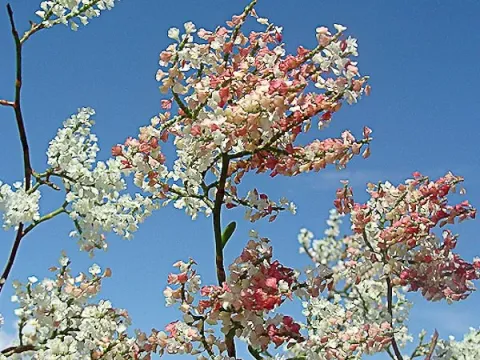
Polygonella
Polygonella
Polygonella is a genus of flowering plants belonging to the Polygonaceae family. These plants are primarily native to North America, where they have evolved to thrive in diverse and often harsh habitats, including sandy barrens and coastal plains.
What the section contains
Polygonella
Botanically, the genus is characterized by its slender, often branched stems and small, clustered flowers. These inflorescences are known for their delicate appearance, creating a cloud-like effect that makes them highly attractive for landscaping and specialized gardens.
To successfully cultivate Polygonella, one must ensure excellent soil drainage. The plants are highly adapted to sandy, nutrient-poor substrates and will suffer significantly in heavy or clay-rich soils that retain moisture for too long.
These plants are remarkably drought-tolerant, reflecting their evolutionary origin in xeric environments. They require full sun exposure to maintain their compact growth habit and to promote the development of their characteristic, prolific floral displays.
Agronomic management should focus on preserving the natural integrity of the root zone. Avoid heavy fertilization, as these plants have adapted to low-fertility soils and may show signs of stress if nitrogen levels are excessively high.
The primary threats to Polygonella are soil-borne pathogens triggered by waterlogged conditions. Excessive irrigation or poor field drainage is the leading cause of plant mortality and root rotting.
Insect pests are generally not a major concern; however, aphids and spider mites can occasionaly colonize plants during hot, dry spells. Keeping plants healthy through proper siting and drainage is the most effective form of biological control.