
Poa bivonae
Poa bivonae
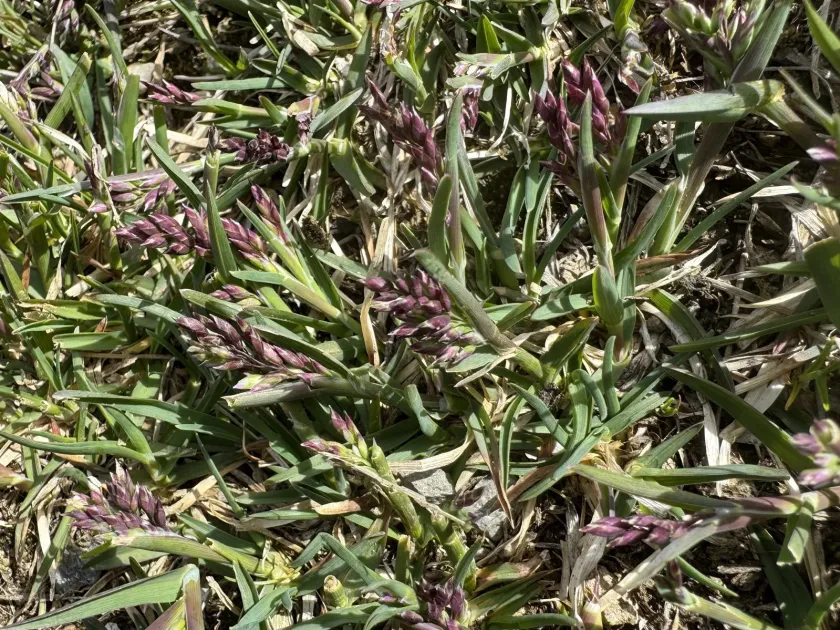
Description
Sowing dates
Poa bivonae is a perennial grass species that establishes best when seeded in early spring or autumn. Careful seedbed preparation is essential to ensure uniform germination, as the seeds are relatively small and require consistent contact with moist soil.
Sowing depth should be shallow, generally between 1 to 2 centimeters. Deep planting can lead to poor emergence due to the limited energy reserves in the seed. Following sowing, a light roller is often used to compress the soil and improve moisture retention.
The selection of the sowing site should focus on areas with good drainage and minimal weed pressure. Competition from invasive weeds can severely hinder the development of young Poa bivonae plants, which exhibit slow initial growth.
Starter fertilizers, particularly those rich in phosphorus, are beneficial during the establishment phase. These nutrients support early root development, which is critical for the long-term persistence of the crop in pastures or meadows.
When included in grass mixtures, seeding rates must be adjusted based on the compatibility of other species. Proper management during the first few months, including weed control, ensures a high-density, productive stand.
Growing requirements
This grass thrives in temperate climates with moderate rainfall and well-drained soils. It is well-adapted to rocky, mountainous, or hilly terrain, reflecting its natural evolutionary niche within the genus Poa.
Soil pH levels should ideally be neutral or slightly acidic. Soils that are highly acidic may require liming to optimize nutrient availability, while poorly drained soils can cause root stress and limit plant growth over time.
Poa bivonae shows high winter hardiness, allowing it to survive in regions with significant temperature fluctuations. It possesses a moderate tolerance to dry periods, although supplemental irrigation is recommended for maximum biomass production in arid environments.
Sunlight is a crucial requirement for this species. It performs best in open locations with high solar radiation, as shade can reduce the density of the sward and decrease the quality of seed production.
Maintenance of soil fertility through periodic organic or mineral fertilization supports the structural integrity of the grass. This, in turn, helps the stand withstand environmental stressors and maintain productivity over several years.
Yield
The yield potential of Poa bivonae is determined by nutrient management and water availability. Under favorable conditions, the grass forms a dense, nutrient-rich sward that is highly suitable for grazing livestock.
Regular harvesting or grazing helps maintain the nutritive quality of the forage. By preventing the plant from reaching full maturity, the regrowth remains high in protein and energy, which is ideal for livestock nutrition.
When grown for seed, management should focus on allowing the plants to complete their reproductive phase. Proper irrigation during the stem elongation stage is vital for maximizing seed yield and quality.
In managed pasture systems, rotational grazing is recommended to avoid overgrazing, which can degrade the stand and invite weed infestation. Proper management can extend the productive life of the meadow for many years.
Yield data indicates that Poa bivonae responds positively to nitrogen fertilization after each cutting. A balanced approach to fertilization ensures high recovery rates and consistent production of high-quality biomass throughout the growing season.
Main diseases and pests
Like many members of the Poaceae family, Poa bivonae can be susceptible to fungal pathogens, including leaf rusts and powdery mildew. These diseases are most common in areas with poor airflow and high humidity.
Insect pests, such as cereal flies and aphids, can cause damage to seedlings or stems. Integrated pest management strategies, such as maintaining strong plant health and monitoring, are the most effective ways to manage these populations.
Preventative measures include promoting good air circulation within the stand and avoiding excessive nitrogen applications that might lead to overly succulent, disease-prone tissue. Crop rotation is also a recommended practice in intensive agricultural setups.
Chemical intervention should be considered only when economic thresholds for pests or diseases are exceeded. Using selective fungicides and insecticides in accordance with local regulations minimizes the impact on non-target beneficial organisms.
Ultimately, a robust immune system in the plants, fostered by proper agronomic management and adequate soil nutrients, serves as the primary defense mechanism against the majority of biological threats to this crop.