
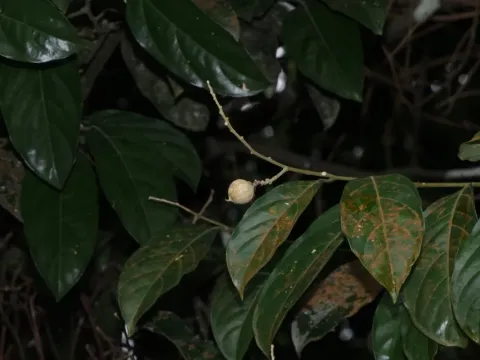
Xanthophyllum
Xanthophyllum
Xanthophyllum species are primarily managed within forestry and botanical conservation programs rather than traditional field agriculture. Propagation is typically achieved through seeds, which should be sown immediately after collection to maintain high viability.
What the section contains
 Xanthophyllum amoenum
Xanthophyllum ancolanum
Xanthophyllum ancolanum
Xanthophyllum chartaceum
Xanthophyllum chartaceum
Xanthophyllum amoenum
Xanthophyllum amoenum
Xanthophyllum ancolanum
Xanthophyllum ancolanum
Xanthophyllum chartaceum
Xanthophyllum chartaceum
 Xanthophyllum discolor
Xanthophyllum ellipticum
Xanthophyllum ellipticum
Xanthophyllum discolor
Xanthophyllum discolor
Xanthophyllum ellipticum
Xanthophyllum ellipticum
 Xanthophyllum eurhynchum
Xanthophyllum eurhynchum
Xanthophyllum eurhynchum
 Xanthophyllum excelsum
Xanthophyllum ferrugineum
Xanthophyllum ferrugineum
Xanthophyllum flavescens
Xanthophyllum flavescens
Xanthophyllum heterophyllum
Xanthophyllum heterophyllum
Xanthophyllum lanceolatum
Xanthophyllum lanceolatum
Xanthophyllum excelsum
Xanthophyllum excelsum
Xanthophyllum ferrugineum
Xanthophyllum ferrugineum
Xanthophyllum flavescens
Xanthophyllum flavescens
Xanthophyllum heterophyllum
Xanthophyllum heterophyllum
Xanthophyllum lanceolatum
Xanthophyllum lanceolatum
 Xanthophyllum obscurum
Xanthophyllum obscurum
Xanthophyllum obscurum
 Xanthophyllum papuanum
Xanthophyllum rufum
Xanthophyllum rufum
Xanthophyllum stipitatum
Xanthophyllum stipitatum
Xanthophyllum tenuipetalum
Xanthophyllum tenuipetalum
Xanthophyllum papuanum
Xanthophyllum papuanum
Xanthophyllum rufum
Xanthophyllum rufum
Xanthophyllum stipitatum
Xanthophyllum stipitatum
Xanthophyllum tenuipetalum
Xanthophyllum tenuipetalum
 Xanthophyllum vitellinum
Xanthophyllum vitellinum
Xanthophyllum vitellinum
Xanthophyllum
The optimal sowing time aligns with the onset of the rainy season, providing the necessary moisture levels for germination in nursery conditions. Seed beds must consist of a well-draining, nutrient-rich organic substrate to support initial development.
Seeds are placed at a shallow depth, ensuring they are covered but have enough oxygen for the metabolic processes of germination. Fine mist irrigation is recommended to maintain constant soil moisture without displacing the seeds.
Seedlings remain in the nursery environment until they reach a robust size, usually between 30 and 50 centimeters. This phase allows for the development of a strong root system, which is essential for survival when transplanted into field conditions.
Spacing during the final outplanting is critical to prevent overcrowding. Proper density ensures that each tree receives adequate airflow and access to nutrients, which are vital for the early establishment phase in tropical environments.
This genus requires a tropical or subtropical climate characterized by stable, high temperatures throughout the year. The preferred range is between 24 and 30 degrees Celsius, as the plants are highly sensitive to frost and cold stress.
High relative humidity is necessary for physiological functions, mimicking the conditions of the native rainforest floor. Drought periods are detrimental, as they disrupt the plant's ability to maintain hydration and perform efficient photosynthesis.
Soil requirements involve deep, well-draining, and humus-rich substrates. The plants thrive in slightly acidic soils, consistent with the nutrient profiles found in tropical forest ecosystems where organic matter decomposes rapidly.
Young plants exhibit shade tolerance, allowing them to establish themselves beneath the forest canopy. However, mature trees require significant light exposure to maintain healthy foliage and stimulate the vertical growth of the trunk.
Management practices include mulching to preserve ground moisture and the strategic use of organic fertilizers to promote growth in nutrient-leached tropical soils. Maintaining a healthy soil environment is key to long-term tree vitality.
The economic value of Xanthophyllum is largely derived from its timber, which is appreciated for its density and natural resistance to degradation. Yield is evaluated based on the volume of quality wood produced over a multi-decade growth cycle.
Secondary uses include medicinal applications, as various species contain bioactive compounds harvested in small, sustainable quantities. These harvests are strictly regulated to protect the natural populations and ecological balance.
Productivity is highly dependent on the silvicultural practices applied throughout the tree's lifespan. Proactive clearing of competing vegetation and light management are essential to ensure maximum biomass accumulation.
The quality of the final harvest is determined by the straightness of the trunk and the absence of wood defects caused by pathogens. High-quality timber yields are observed in managed forests where tree health is monitored continuously.
Ongoing research aims to identify the fastest-growing genotypes to improve the overall productivity of reforestation efforts. Selecting superior clones can lead to significant improvements in yield efficiency over successive generations.
The primary biological threats to Xanthophyllum include various fungal pathogens that cause root and collar rot. These conditions are exacerbated by excessive moisture and poor drainage in the immediate root zone.
Insect pests can pose a significant challenge, particularly those that bore into the trunk or consume the foliage. Such infestations often occur in stressed trees, highlighting the importance of maintaining optimal environmental conditions.
Management of these threats involves rigorous sanitary practices, including the removal of infected plant material and the prevention of physical wounds to the bark. Such wounds provide entry points for secondary infections.
Epiphytes and climbing plants can act as a secondary threat by competing for sunlight and adding structural weight to the crown. Regular pruning or manual removal of these climbers is a standard procedure in forest management.
Fire is a catastrophic threat to Xanthophyllum populations, as the trees are not adapted to withstand high temperatures. Maintaining firebreaks and monitoring forest edges is essential for the long-term conservation of these plantations.