
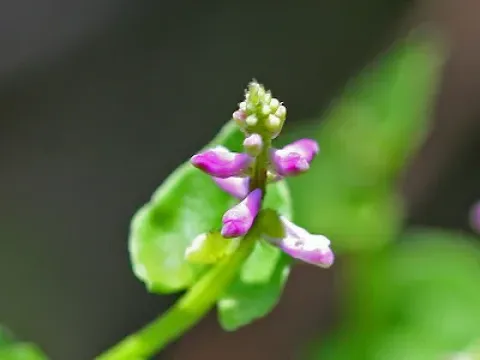
Salomonia
Salomonia
The genus Salomonia belongs to the Polygalaceae family. These are small herbaceous plants that naturally occur primarily in the tropical and subtropical regions of Asia, including India, China, and various countries throughout Southeast Asia.
What the section contains


Salomonia
Biologically, these plants are categorized as annual or perennial herbs. A defining characteristic of the genus is the presence of small, often zygomorphic flowers arranged in spike-like inflorescences. The leaves are typically alternate and entire, which allows the culture to efficiently photosynthesize under low-light canopy conditions.
Salomonia prefers humid and warm climatic zones for optimal development. In an agronomic context, the plants require well-drained soils rich in organic matter. The crop is highly sensitive to sudden temperature fluctuations and the direct impact of dry, arid winds during the active growth phase.
The root system of the culture is relatively delicate, which limits the selection of suitable cultivation sites. The optimal soil pH level for members of this family typically ranges from slightly acidic to neutral, which is necessary to ensure the proper uptake of essential nutrients and micronutrients.
The economic utility of the genus is currently limited. In certain regions, specific Salomonia species are investigated for their potential as medicinal raw materials or groundcover plants, although large-scale industrial cultivation still requires significant research into the crop's biological potential.