
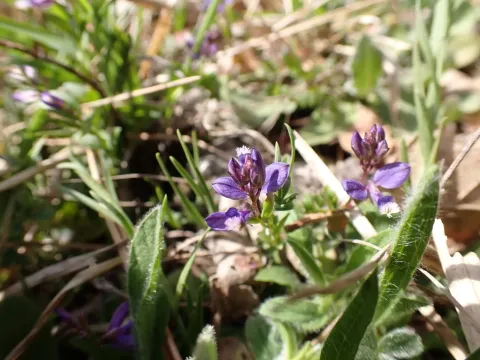
Polygala supina
Polygala supina
Polygala supina is a perennial plant that is typically propagated through seeds, which often require a cold stratification period to break dormancy and ensure uniform germination.
What the section contains
Polygala supina
Seeds should be sown in a well-drained, porous substrate at a shallow depth, usually around 0.5 centimeters, to allow sufficient light access for the developing seedlings.
Early spring or late autumn are the preferred times for planting, as the plant responds well to the natural temperature fluctuations typical of these periods.
When using a nursery setup, maintaining a steady, moderate moisture level is crucial for the germination process, as the seeds are quite sensitive to drying out.
Once seedlings have developed their true leaves, they should be transplanted with care to avoid root damage, maintaining a proper spacing to ensure adequate airflow.
This species belongs to the Polygalaceae family and is native to mountainous regions, thriving in sunny, open habitats with rocky or sandy soil compositions.
Polygala supina requires excellent drainage; waterlogged soils are detrimental to the plant's health and can lead to the rapid decline of the root system.
It is highly drought-tolerant, making it suitable for xeriscaping or rock gardens where supplemental water availability is limited during the growing season.
The preferred soil pH for this culture is neutral to slightly alkaline, which facilitates the uptake of essential nutrients and supports vigorous growth.
Although it can tolerate poor soil conditions, it benefits from occasional light applications of slow-release fertilizers during the peak growth phase.
Root rot, primarily caused by fungal pathogens in damp conditions, represents the most significant threat to the survival of Polygala supina populations.
Pests such as aphids or spider mites may occasionally infest the foliage, particularly during prolonged periods of hot and dry weather that weaken the plant's defense.
Cultural control methods, such as ensuring proper spacing and preventing soil surface saturation, are the most effective strategies for disease prevention.
Monitoring the plants for early signs of distress, such as yellowing leaves or wilting, allows for quick intervention and limits the need for chemical treatment.
Good agricultural practice dictates the regular removal of weeds that might compete for nutrients or serve as hosts for potential pests and diseases.