
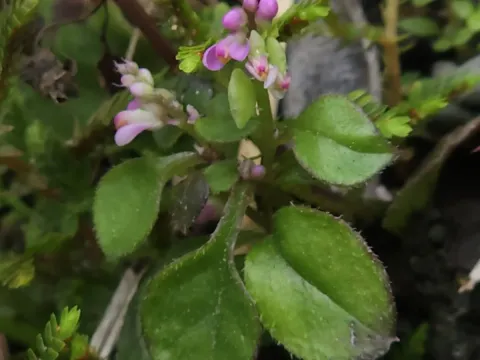
Polygala tatarinowii
Polygala tatarinowii
The seeds of Polygala tatarinowii are tiny and require very shallow sowing, barely covered with a thin layer of fine soil.
What the section contains
Polygala tatarinowii
Early spring is the most suitable time for sowing, as the soil begins to warm up, triggering the germination process.
A well-aerated, sandy-loam substrate is recommended to facilitate proper root development immediately after emergence.
Consistent surface moisture must be maintained during the first three weeks to ensure a high germination rate.
Sowing in trays before transplanting can improve seedling survival rates in areas with unpredictable spring weather conditions.
Polygala tatarinowii belongs to the Polygalaceae family and is native to the temperate regions of East Asia.
This species thrives in locations with full or partial sun exposure, requiring at least six hours of daylight for optimal growth.
Well-drained soil with a slightly acidic to neutral pH level is essential for preventing root rot and supporting plant health.
The plant is adapted to regions with moderate rainfall but requires extra hydration during the peak of the summer season.
Proper aeration and spacing are vital to prevent fungal issues caused by stagnant air around the canopy.
The economic yield of the crop is based on the concentration of pharmacologically active saponins within the aerial biomass.
Yields are maximized when plants are spaced appropriately, usually around 40 to 50 plants per square meter for optimal nutrient uptake.
Regular monitoring of plant health and moisture levels significantly contributes to higher biomass production by harvest time.
While this is not a high-volume industrial crop, its value lies in the quality of the harvested botanical material.
Efficient harvesting techniques during the peak flowering stage ensure the highest potency of the collected plant parts.
Fungal pathogens such as root rot are the primary threats, especially in heavy soils with poor drainage capacity.
Gastropods like slugs and snails may pose a threat to young seedlings and soft foliage, requiring manual or barrier-based control.
Proper crop rotation practices help in minimizing soil-borne pathogens that might otherwise accumulate in the garden bed.
Powdery mildew can occur if air circulation is insufficient, making thinning and spacing crucial for disease prevention.
Integrated pest management strategies focusing on organic solutions are preferred to maintain the herb's pharmaceutical quality.
Harvesting is ideally performed when the plants are in full bloom, which ensures maximum chemical integrity of the harvested material.
The stems and leaves are cut manually, and the harvested biomass must be processed immediately to prevent degradation.
Drying should take place in a dark, cool, and well-ventilated area to preserve the heat-sensitive active components.
After the material is completely dry, it should be sorted to remove any debris and then stored in moisture-proof containers.
Properly cured and stored, the plant material maintains its shelf life and therapeutic value for up to two years.