
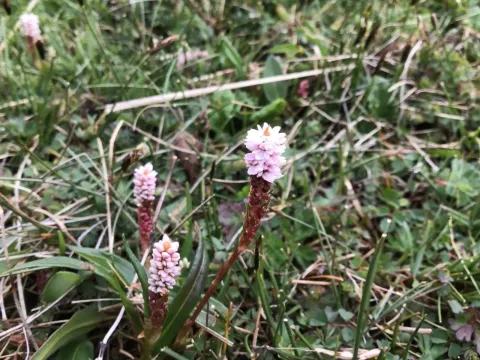
Polygonum fugax
Polygonum fugax
Polygonum fugax is a perennial plant known for its early spring regrowth capabilities. Sowing should ideally occur as soon as the soil is workable in early spring to facilitate strong initial establishment of the seedlings.
What the section contains
Polygonum fugax
Late autumn sowing is also a viable strategy, allowing the seeds to undergo natural stratification during the winter months. Seeds should be planted at a shallow depth of 2-3 centimeters to ensure uniform and efficient emergence.
To maximize biomass production, row seeding with spacing of approximately 15-20 centimeters is recommended. This layout simplifies maintenance and weed control throughout the growing season.
After seeding, rolling the soil surface is a beneficial practice that improves seed-to-soil contact and enhances moisture retention. Adequate preparation is essential to prevent poor stand uniformity.
Maintaining a weed-free environment in the early stages of development is crucial for the crop. Proper timing of the sowing phase significantly reduces the risk of crop competition from aggressive weeds.
As a member of the Polygonaceae family, Polygonum fugax thrives in well-lit areas. Exposure to direct sunlight is necessary for optimal development, while excessive shading can lead to stunted growth and reduced yields.
The crop prefers fertile, well-draining loamy soils. Waterlogged conditions are detrimental to the root system and must be avoided to prevent rot and physiological distress in the plants.
The ideal soil pH for this species is between 6.0 and 7.0. Before establishing the crop, it is advisable to incorporate organic matter into the soil to improve structure and provide a baseline of essential nutrients.
Environmental conditions should be moderate, with temperatures between 18 and 22 degrees Celsius favoring active growth. Supplemental irrigation may be required during prolonged dry spells to maintain productivity.
Polygonum fugax is an excellent candidate for crop rotation schemes, as its vigorous root system improves soil aeration and aggregation. This makes it a valuable asset for long-term soil health management.
The yield potential of Polygonum fugax is high, provided that fertilization and moisture management are adequate. The plant is capable of producing multiple harvests during a single growing season.
Regular applications of nitrogenous fertilizers after each cutting are necessary to support rapid regrowth and prevent nutrient depletion. This practice is essential for maintaining consistent yield levels over several years.
Timing the harvest according to the phenological stages, specifically at the beginning of flowering, ensures the best nutritional quality of the forage. Delayed harvesting results in lignification and reduced digestibility.
The perennial nature of the plant allows for stable productivity over a 5 to 7-year period without the need for constant re-seeding. This long-term output contributes to the economic efficiency of the crop.
Utilizing micronutrient supplements during peak growth stages can further boost biomass yields. A balanced approach to crop nutrition is the key to unlocking the full genetic potential of the species.
Fungal diseases are the primary threat to Polygonum fugax, especially under high humidity and poor air circulation. Powdery mildew can cause significant damage to the foliage, reducing both yield and quality.
Soil-borne insects can occasionally pose a threat to the root system, particularly in younger plants. Early detection through regular field inspections is vital to manage potential pest outbreaks before they become severe.
Preventative measures include maintaining optimal planting densities and ensuring rigorous weed management, as weeds often act as hosts for various plant pathogens.
Systemic fungicides may be used if economic thresholds are reached, but strict adherence to safety guidelines is required to protect the harvested forage. Integrated pest management (IPM) is highly encouraged.
Monitoring the field for signs of chlorosis or unusual spots is a standard agronomic practice. Rapid response to threats preserves the longevity of the plant stand and ensures sustainable production.
Harvesting should ideally begin at the onset of the budding phase to ensure the highest protein content and nutritional value. Using mowers that crimp the stems can significantly reduce drying time.
A cutting height of at least 8-10 centimeters is recommended to protect the crown and growing points of the plant. This height promotes fast regrowth and prevents long-term stress to the plant.
Once mown, the forage should be wilted in swaths until the desired moisture content is achieved. This step is critical for safe storage and preventing spoilage caused by improper drying.
Modern mechanized harvesting equipment allows for efficient processing of the crop. Rapid removal of the mown biomass helps to preserve the structural and nutritional integrity of the plant material.
The final harvest of the season should be completed at least one month before the first frost. This timing allows the plant to accumulate sufficient energy reserves in its roots to survive the winter dormant period.