
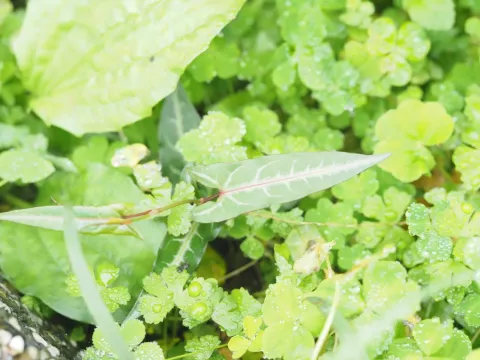
Polygonum hypoleucum
Polygonum hypoleucum
Polygonum hypoleucum is a perennial herbaceous plant belonging to the Polygonaceae family. In agricultural practices, sowing typically takes place in early spring once soil temperatures reach 8–10 degrees Celsius.
What the section contains
Polygonum hypoleucum
Proper field preparation involves deep autumn plowing and the application of organic fertilizers. Seeds should be sown at a depth of 2–3 centimeters to ensure optimal germination and early establishment.
Maintaining adequate row spacing is essential during sowing, as the plant develops a robust vegetative structure. Correct plant density prevents competition for sunlight and essential soil nutrients.
In regions with mild winters, late autumn sowing is sometimes practiced to take advantage of soil moisture. However, growers must monitor for premature germination during unexpected winter warm spells.
The first year of growth focuses primarily on root system development. Maintenance involves consistent mechanical weeding and soil cultivation to support plant health until canopy closure.
The crop thrives in fertile, loamy soils with a neutral or slightly acidic pH. It has high water requirements, making consistent irrigation or naturally moist sites essential for maximum yield potential.
Polygonum hypoleucum responds well to nitrogen and potassium fertilizer applications during the peak growth season. Consistent nutrient availability is critical for achieving high biomass production.
The plant possesses moderate winter hardiness; however, severe frost can damage rhizomes in snowless regions. Mulching the field with crop residues is recommended to provide necessary thermal protection.
High light intensity is vital for the development of strong, nutritious stems. Shaded environments cause the plants to become spindly and reduce the overall quality of the harvested forage.
Soil aeration is a key component of agronomic management. Compaction restricts rhizome growth, which directly impacts the long-term productivity and lifespan of the plantation.
The primary agricultural use of Polygonum hypoleucum is as a high-protein green fodder for livestock. With proper management, the crop can produce multiple harvests within a single growing season.
The biomass is highly palatable and contains an excellent balance of minerals and micronutrients. It serves as an ideal component for high-quality silage or haylage production for winter storage.
Annual yields depend heavily on moisture levels and soil nutrient management. Under intensive care, plantations can remain productive for 5 to 7 years before requiring field rotation.
Beyond its forage applications, the species is being researched for pharmaceutical potential. The biochemical composition includes various flavonoids and tannins that may have applications in animal health.
Regular rotation is necessary after the productive life cycle of the crop ends. Constant monoculture without renewal eventually depletes soil reserves and decreases overall field vigor.
Common pests include aphids, which feed on young leaves and weaken the plant's structural integrity. During humid periods, slugs can pose a significant threat to young sprouts in newly established fields.
Fungal diseases, such as powdery mildew and various leaf spots, frequently occur when planting density is too high or air circulation is restricted. Monitoring for early infection signs is mandatory.
Preventative measures include the removal of crop residues, which often serve as hosts for fungal spores. Fungicide applications should be restricted to cases where cultural practices have failed.
Root rot is a common issue in poorly drained soils or in areas prone to waterlogging. Protecting the root system from excessive moisture is the best way to ensure winter survival and longevity.
Frequent field scouting is recommended, especially during the budding stage. Timely intervention against pathogens helps maintain crop yield while minimizing the need for heavy chemical intervention.
Harvesting for forage should occur during the early flowering phase. This timing ensures the best balance of nutritional value and fiber content before the stems become overly lignified.
Cutting should be performed at a height of 10–12 centimeters above ground level. This height is essential for rapid regrowth and helps the plant recover energy for future cuttings.
Modern forage harvesters can be used to process the biomass immediately, ensuring high quality for silage. Rapid transport from the field to the storage unit is critical for preventing heat buildup.
For seed production, harvesting must wait until full maturity, with careful monitoring of moisture levels. Proper post-harvest drying is required to prevent mold development in storage.
The final cut of the season should leave enough stubble to trap snow, providing natural insulation for the root system during harsh winter conditions, ensuring a strong start in the spring.