
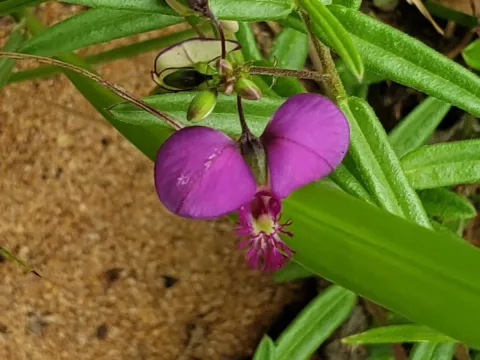
Polygala sphenoptera
Polygala sphenoptera
Polygala sphenoptera is a species belonging to the Polygalaceae family, known for its specific ecological requirements during the initial establishment phase of growth.
What the section contains
Polygala sphenoptera
The sowing process begins in spring, once the soil has warmed up sufficiently, ensuring that seeds are placed at a shallow depth of approximately 1 to 2 centimeters for optimal germination.
It is crucial to maintain consistent moisture levels during the first weeks after sowing, as the seeds are sensitive to desiccation, which can significantly reduce the final stand density.
Row spacing should be carefully managed to allow for adequate airflow between individual plants, which helps to mitigate the risks of fungal infections during the early vegetative stage.
For large-scale cultivation, precision seeding equipment is recommended to ensure uniform distribution, which facilitates easier maintenance and more efficient harvesting later in the season.
The plant thrives in well-drained, slightly acidic to neutral soils that provide sufficient aeration to the root system, preventing the development of root rots common in stagnant water.
Polygala sphenoptera requires a location with ample sunlight, as exposure to direct light is essential for the synthesis of secondary metabolites that define the medicinal value of the crop.
While the plant exhibits some drought tolerance once fully established, regular irrigation during periods of low rainfall is necessary to support biomass accumulation and vigorous growth.
Soil fertility management should focus on balanced organic amendments, avoiding an excessive buildup of synthetic nitrogen, which could lead to weak, succulent tissue susceptible to pests.
Consistent monitoring of soil pH is advised throughout the growing season, as fluctuations can affect the availability of micronutrients required for the plant's metabolic functions.
Fungal pathogens represent the primary threat to this crop, particularly in environments with high relative humidity and poor ventilation within the plant canopy.
Pests such as aphids and spider mites can cause significant damage by feeding on plant sap, leading to chlorosis, stunted growth, and reduced yield of the harvested material.
Integrated pest management strategies are recommended, focusing on early detection and the use of biological controls to maintain the quality of the harvested produce.
Weed competition is a significant challenge during the early stages of development, necessitating mechanical cultivation or careful manual removal to ensure the crop has adequate access to nutrients.
Proactive removal of infested plants helps to stop the spread of localized disease outbreaks, protecting the overall health and productivity of the entire agricultural plot.
The harvesting stage is critical and should ideally coincide with the peak flowering period, when the concentration of therapeutic compounds is highest within the aerial parts of the plant.
Using sanitized harvesting tools is essential to minimize the risk of introducing pathogens into the wound sites of the remaining plants or the harvested biomass.
Immediate post-harvest drying in a shaded, well-ventilated area is necessary to prevent microbial degradation and to preserve the medicinal integrity of the raw material.
Temperature control during the drying process is paramount; temperatures exceeding 40 degrees Celsius can cause the loss of volatile oils and other sensitive bioactive compounds.
Once dried to the desired moisture level, the product should be stored in airtight, moisture-resistant packaging in a cool, dark environment to ensure maximum shelf life.