
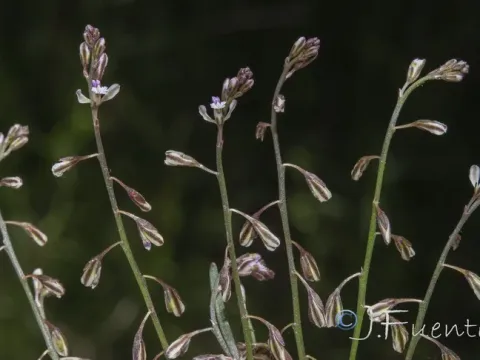
Thin milkwort
Polygala exilis
Thin milkwort (Polygala exilis) belongs to the Polygalaceae family. It is recognized for its specific physiological adaptation to open meadow habitats and well-drained soils, often acting as a resilient herb in specific ecological zones.
What the section contains
Thin milkwort
For agricultural purposes, this plant requires soil with a neutral to slightly acidic pH and a light texture, such as sandy loam, to ensure proper root aeration and prevent moisture stagnation around the root collar.
Light intensity is a critical factor for the growth of Polygala exilis. It thrives under full sun exposure, which is necessary for the proper synthesis of its secondary metabolites, frequently sought for pharmacological applications.
Regarding climate, the species prefers temperate conditions with reliable, yet moderate rainfall patterns during the spring and early summer growing phases. It exhibits moderate resistance to short-term dry spells once the root system is established.
Crop management focuses on meticulous weeding during the early stages of development. As a relatively low-stature plant, it competes poorly with aggressive weeds, making timely mechanical or manual cultivation essential for high yield.
The primary threats include root rot caused by stagnant water or compacted soils. This leads to fungal infections that can rapidly compromise the integrity of the entire crop population if not addressed.
Pest pressure is frequently observed from aphids and small lepidopteran larvae. These organisms can cause significant leaf damage, which decreases the total biomass available for harvest.
Effective mitigation requires a strict adherence to prophylactic measures, such as maintaining optimal plant spacing to promote airflow and decrease relative humidity levels at the soil surface.
If chemical interventions are necessary, the use of selective systemic products is recommended to prevent excessive environmental impact and maintain the quality of the harvested biological material.
Integrated pest management (IPM) strategies, including biological control agents and pheromone traps, provide a sustainable approach to maintaining crop health in industrial cultivation settings.