
Polygala violacea
Polygala violacea
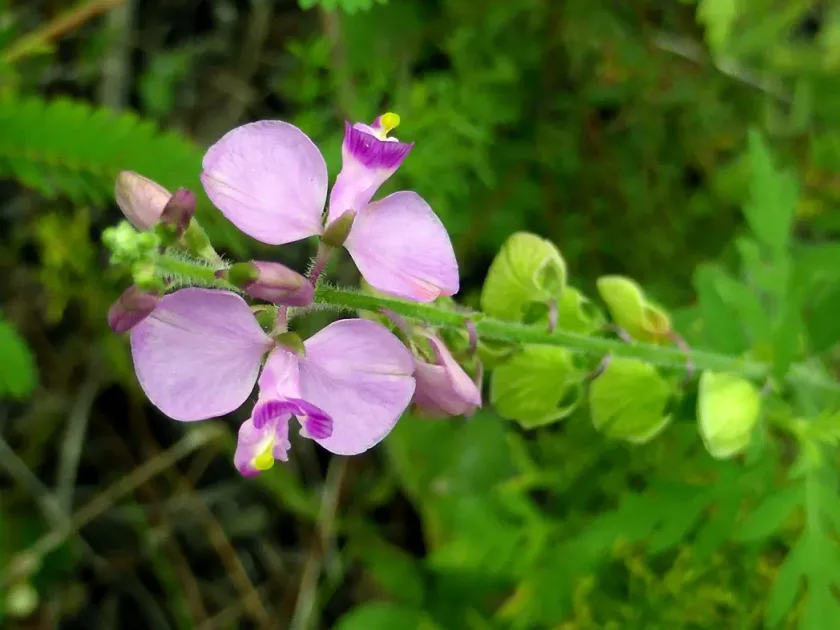
Description
Sowing dates
Sowing of Polygala violacea should be carried out in early spring when the soil has sufficiently warmed up to at least 10-12 degrees Celsius. The seeds require a period of stratification to improve germination rates.
Seeds should be planted at a shallow depth of 1-2 centimeters, as they are small and prone to failure if buried too deeply. Using light plastic covering can help maintain the humidity required for initial growth.
For commercial production, a wide-row planting method with 45-centimeter spacing is recommended to simplify weed management and maintenance.
Seedlings emerge slowly and require consistent soil moisture during the first month to establish a strong root system. Weeding is essential during the early stages, as the plant grows slowly in its first year.
Applying mulch between rows is an effective technique for retaining soil moisture and suppressing competing weed species in the field.
Growing requirements
Polygala violacea is a perennial herbaceous plant belonging to the Polygalaceae family, known for its various applications in phytochemistry.
The plant thrives in well-drained, sandy loam soils with a neutral to slightly acidic pH level. It cannot tolerate waterlogged soils, making site selection crucial for crop health.
This crop requires full sun exposure to reach its maximum biomass potential. Shaded areas lead to stunted growth and reduced concentrations of secondary metabolites.
Ideal temperatures for active growth range from 18 to 25 degrees Celsius. The plant has moderate cold resistance but benefits from protective cover during extreme winter conditions.
Balanced fertilization, prioritizing potassium and phosphorus, supports root development and strengthens the plant against environmental stressors.
Main diseases and pests
The most common pests for Polygala violacea include aphids and spider mites, which tend to proliferate during hot, dry weather conditions.
Root rot is the primary disease risk, often triggered by poor drainage or overwatering. Maintaining a correct irrigation schedule is vital for disease prevention.
Powdery mildew can affect the foliage in conditions with poor air circulation, necessitating the use of preventive bio-fungicides.
Integrated pest management strategies should be employed to control outbreaks without compromising the safety and quality of the medicinal harvest.
Regular field scouting is necessary to detect early signs of infestation and prevent large-scale crop loss through timely intervention.
Harvesting
The aerial parts of Polygala violacea should be harvested during the peak flowering stage to ensure the highest yield of active compounds.
Harvesting is typically done using mechanical cutters or hand tools, ensuring the stems are cut at an appropriate height above the ground.
Post-harvest, the material must be dried in a well-ventilated, shaded area at a temperature below 45 degrees Celsius to preserve its medicinal properties.
Roots, if collected for production, are harvested in the autumn of the second or third year, once the plant has entered dormancy.
The final product should be stored in dry, cool, and dark conditions to maintain shelf-life and prevent the degradation of bioactive components.