
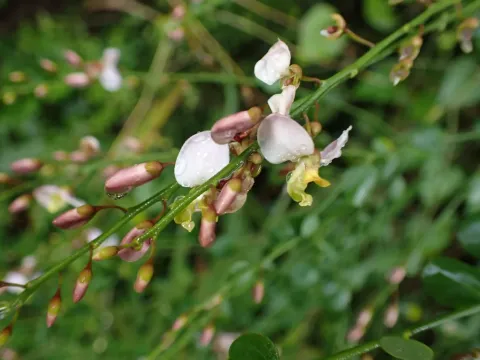
Securidaca
Securidaca
Propagation of Securidaca, particularly the well-known species Securidaca longepedunculata, is typically achieved through seeds or vegetative methods such as cuttings. Seeds require pre-sowing scarification to improve germination rates, as they possess a tough coat that inhibits rapid sprouting.
What the section contains


Securidaca
The optimal time for sowing is the beginning of the rainy season, when soil moisture is sufficient to stimulate embryo development. In commercial or experimental farming, planting in containers is often practiced to obtain strong seedlings before transplanting them into the field.
In vegetative propagation, cuttings are harvested during the plant's dormant period and treated with rooting hormones. This method allows for faster development of viable plants that retain all the characteristic traits of the parent specimen.
Planting density must account for the future size of the mature plant, as Securidaca can develop a broad and voluminous canopy. Row spacing in field cultivation should be at least three meters to ensure proper airflow and access for maintenance.
Seeds should not be buried deeper than two centimeters to avoid hindering the emergence of the sprout through the soil surface. After sowing, mulching the plot is recommended to maintain a stable microclimate and moisture levels around the seeds.
Securidaca belongs to the Polygalaceae family and is naturally found in the hot tropical and subtropical regions of Africa and Asia. The plant requires abundant sunlight for successful development and is highly sensitive to shading.
This crop prefers well-drained sandy or sandy-loam soils with a neutral or slightly acidic pH balance. Stagnant moisture in the root zone is detrimental, therefore choosing a site that avoids low-lying areas with a risk of flooding is crucial for survival.
The plant demonstrates high resistance to drought conditions thanks to a well-developed root system capable of accessing water from deep soil horizons. However, for high-quality raw material production, regular but moderate irrigation is required during the active growth phase.
Temperature requirements range from 20 to 35 degrees Celsius throughout the entire growth cycle. Significant temperature fluctuations and prolonged frost events can cause irreversible damage to young shoots and decrease the overall productivity of the crop.
Agricultural practices require the application of organic fertilizers during the early stages of development to ensure a balanced supply of nitrogen, phosphorus, and potassium. Soil aeration and periodic weeding are essential to ensure oxygen reaches the root system.
The productivity of Securidaca is measured not only by the volume of green biomass but also by the accumulation of bioactive compounds in the bark, roots, and seeds. The primary commercial product is root bark, which contains valuable essential oils and saponins.
Maximum commercial yield is typically achieved between the fourth and fifth year of the plant's life, when the concentration of medicinal components in the woody parts reaches its peak. Overall yield is strongly dependent on planting density and the quality of field management.
Seeds also hold significant value for the pharmaceutical and cosmetic industries, as they can be processed into fatty oils used in traditional and modern formulations. Harvesting of seeds should occur after the pods have fully ripened and turned a characteristic brown color.
The total biomass of the plant can be substantial, given Securidaca's ability to grow rapidly under favorable tropical conditions. Protecting the integrity of the root system is a critical factor for the longevity and profitability of the plantation.
Regular pruning not only stimulates the growth of new, productive shoots but also facilitates easier access during harvesting, increasing efficiency. Experienced agronomists recommend selective harvesting to avoid over-depleting the individual plant's resources.
The primary threats to Securidaca include fungal diseases affecting the root system, which are often caused by excessive soil moisture. Various forms of root rot can spread rapidly across a plantation if agronomic guidelines regarding drainage are ignored.
Among pests, larvae that feed on young foliage and bark pose the greatest danger. Aphids and spider mites may appear during dry spells, damaging growing tips and compromising the plant's overall immune response to environmental stressors.
For disease management, it is recommended to use biological preparations based on beneficial bacteria, which do not degrade the quality of the herbal raw material. Chemical pesticides should be used sparingly and only during early vegetative stages.
Prophylaxis against infestations involves the thorough clearing of plant debris from the site, as this material can serve as a reservoir for harmful microorganisms. Maintaining proper distance between shrubs is also vital to ensure sufficient air circulation.
Regular weekly monitoring of the plantation is essential to detect early signs of infestation or infection and to isolate affected specimens. Timely pruning and removal of diseased branches are effective methods for preventing the spread of diseases within the crop.