
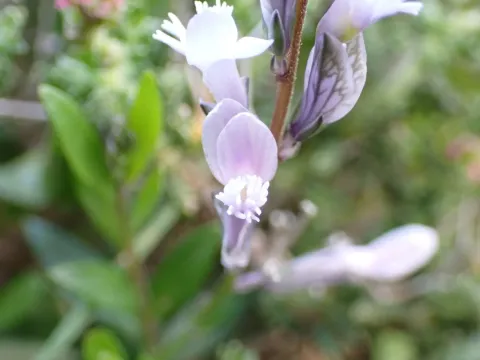
Polygala venulosa
Polygala venulosa
Polygala venulosa is a perennial herbaceous plant belonging to the Polygalaceae family. It is native to Australia, where it naturally inhabits well-drained, sandy, or rocky soils within open woodlands and shrublands. The species is characterized by its distinct veined leaves and delicate, structurally complex inflorescences.
What the section contains
Polygala venulosa
For optimal growth, this crop requires high levels of solar radiation and a well-ventilated environment. It demonstrates moderate drought tolerance due to a specialized root system, making it suitable for cultivation in regions with sporadic precipitation, provided the soil remains free-draining to prevent waterlogging.
The ideal soil substrate for Polygala venulosa should be neutral to slightly acidic. Heavy clay soils are generally unsuitable for cultivation without significant modification, as stagnant water poses a severe risk to root health and overall plant vigor, often leading to rapid decline.
Temperature management is critical for the lifecycle of this plant. It thrives in moderate climates with average temperatures ranging between 18°C and 25°C. In regions prone to severe frost, cultivation must be managed under protective glass or in temperature-controlled greenhouses to ensure survival.
Commercially, Polygala venulosa is valued for its potential in pharmaceutical research due to the chemical profile of its roots and foliage. The systematic cultivation of this species focuses on maximizing the yield of bioactive compounds while ensuring the long-term sustainability of the plantation.
Fungal pathogens represent the most significant threat to Polygala venulosa plantations, particularly under conditions of high humidity. Root rot pathogens can spread rapidly through the root zone, often causing irreversible damage to the vascular system of the plants.
Insect pests, including aphids and spider mites, can severely impact plant health during periods of heat stress. These pests extract sap from the foliage, leading to reduced photosynthetic capacity and making the plants more susceptible to secondary infections or environmental stress.
Powdery mildew is a frequent issue if plant spacing is insufficient or if airflow is poor. Management strategies involve adjusting row spacing to facilitate air circulation and utilizing integrated pest management (IPM) practices to maintain crop health without relying exclusively on synthetic pesticides.
Weed competition is particularly detrimental during the establishment phase. As the growth rate of young plants is moderate, intensive weeding programs are necessary to prevent indigenous grasses and broadleaf weeds from outcompeting the crop for water and nutrients.
Monitoring for signs of stress or pest infestation should be conducted regularly. Early intervention, including the removal of infected plant matter and the application of appropriate biological controls, is essential for maintaining a high-yielding and healthy agricultural production system.