
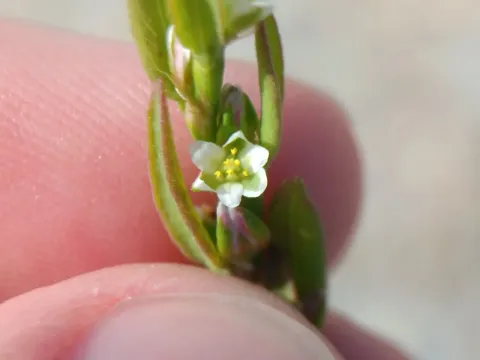
Polygonum exsertum
Polygonum exsertum
Polygonum exsertum is an annual herbaceous plant whose sowing schedule is determined by regional climate conditions and the warming of the soil.
What the section contains
Polygonum exsertum
Optimal sowing occurs in early spring, once the soil has reached sufficient physical ripeness and temperatures range between 8 and 10 degrees Celsius.
Seeds must be planted at a precise depth, typically between 2 and 3 centimeters, to ensure a stable moisture balance for successful germination.
Using a standard row method with row spacing up to 45 centimeters allows the crop to develop efficiently while minimizing competition with weeds.
Thorough soil preparation and surface leveling are critical steps before sowing to promote even emergence and uniform crop density across the field.
As a member of the Polygonaceae family, Polygonum exsertum shows high environmental plasticity, allowing it to adapt to diverse ecological conditions.
This light-demanding plant thrives in open areas where it can maximize photosynthesis without shading from taller agricultural crops.
While preferring fertile sandy loams, the crop is resilient to temporary water deficits and can perform well on various soil types due to a strong root system.
A neutral soil pH range is preferred for optimal nutrient uptake and general plant health throughout the vegetative growth stage.
Inter-row cultivation is a standard maintenance practice that improves soil aeration and controls weed pressure during the early stages of growth.
The yield of Polygonum exsertum depends largely on the availability of moisture and essential nutrients throughout the entire growing season.
The above-ground biomass of the plant serves as a valuable resource that can be utilized as a supplement in various forage applications.
The application of organic fertilizers often leads to a significant boost in biomass production, particularly in soils with low initial fertility.
The crop is noted for its ability to maintain consistent forage yields even under fluctuating summer temperature conditions.
Proper agronomic management enables producers to achieve high-quality harvests that retain nutritional value when managed correctly during collection.
Like many plants in its family, Polygonum exsertum can be susceptible to various insect species that feed on its vegetative structures.
Fungal diseases, such as powdery mildew, pose the most significant risk, especially in conditions characterized by high humidity and poor ventilation.
Pest management relies on regular monitoring of fields and strict adherence to crop rotation principles to disrupt pathogen development cycles.
Avoiding excessive stand density is an effective strategy to reduce the risk of large-scale fungal infections during the humid summer months.
The use of healthy seeds and spatial isolation from other Polygonaceae species are fundamental components of modern protective crop strategies.
Harvesting Polygonum exsertum typically occurs during the peak flowering phase, when the plant reaches its maximum nutritional content.
For large-scale operations, forage harvesters are utilized to cut and shred the green biomass in a single, efficient process.
Cutting height must be optimized to ensure maximum volume while protecting the structural integrity of the field for potential regrowth.
Once harvested, green material should be processed immediately to prevent nutrient loss through oxidation and natural fermentation processes.
Seed harvesting for future seasons is performed only after full physiological maturity, followed by careful drying and storage in controlled conditions.