
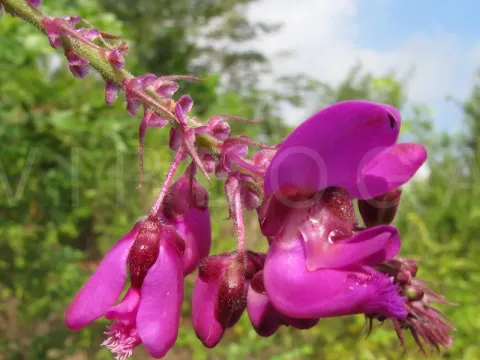
Polygala ruwenzoriensis
Polygala ruwenzoriensis
Polygala ruwenzoriensis is a perennial herbaceous plant belonging to the Polygalaceae family. It is native to the high-altitude mountain regions of East Africa, specifically within the Ruwenzori mountain range, where it thrives in cool and misty environments.
What the section contains
Polygala ruwenzoriensis
The plant requires specific environmental conditions, including moderate temperatures and high atmospheric humidity. In terms of soil, it performs best in well-drained, fertile loamy substrates that maintain a slightly acidic to neutral pH balance.
Cultivation practices focus on providing bright but diffused light to mimic the natural alpine canopy. It is critical to ensure proper aeration for the root system, as waterlogging can lead to rapid deterioration of the plant's health.
Agricultural management includes regular, controlled irrigation, ensuring the substrate remains moist but not saturated. The plant is well-adapted to diurnal temperature variations, which is a key factor in its physiological development in mountainous areas.
Proper spacing between plants is essential to facilitate adequate airflow and prevent the development of moisture-related diseases. This systematic approach to planting density ensures that each specimen receives sufficient nutrient uptake and light penetration.
The primary threats to Polygala ruwenzoriensis are fungal diseases, which are typically exacerbated by poor air circulation and excessive soil moisture. Root rot is a significant concern that requires diligent moisture management to prevent mortality.
Pest pressure often comes from sap-sucking insects like spider mites and thrips, particularly in greenhouse or protected cultivation environments. Early detection through regular crop inspection is vital for effective pest management strategies.
Control measures emphasize biological management and cultural practices rather than heavy chemical intervention. Due to the plant's delicate nature, any chemical treatment must be tested on a small scale to prevent phytotoxicity.
Weed control is crucial during the early stages of growth, as the plant can be outcompeted for soil nutrients. Implementing organic mulching can help suppress weeds while maintaining soil moisture levels conducive to the plant's health.
Overall, successful cultivation depends on the proactive maintenance of a stable environment that reduces stress factors, thereby bolstering the natural resistance of the plants to various environmental and biological threats.