
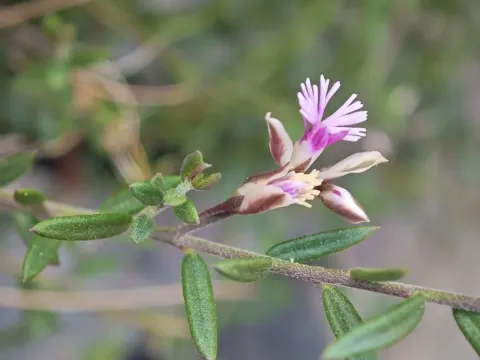
Polygala rupestris
Polygala rupestris
Sowing Polygala rupestris requires careful preparation of the soil, ensuring a fine tilth and good drainage. For better results, seeds should be stratified before planting to overcome natural dormancy mechanisms.
What the section contains
Polygala rupestris
The optimal time for sowing is early spring when the risk of severe ground frost has passed. Seeds are typically sown at a depth of 1 cm, as they require a certain level of light to trigger germination effectively.
Row spacing should be maintained at 30-40 cm to prevent overcrowding and ensure adequate airflow around the plants. This spacing also facilitates mechanical weeding between rows during the initial growth phase.
In nursery settings, seeds can be started in trays under controlled conditions. Once the seedlings develop their first true leaves, they are hardened off and transplanted into the open field to ensure high survival rates.
Consistent moisture levels are critical during the germination stage. Once the plants reach a height of 5 cm, the watering frequency can be reduced to encourage deep root system development.
Polygala rupestris, a member of the Polygalaceae family, is naturally adapted to rocky and calcareous terrains. It thrives in soils with an alkaline to neutral pH and excellent drainage properties.
The plant is highly drought-tolerant, reflecting its native Mediterranean habitat. It does not tolerate waterlogged conditions, which can lead to rapid root rot and complete failure of the crop.
Full sunlight is essential for the healthy growth of this species. Partial shade tends to weaken the stem structure and significantly lowers the concentration of active medicinal compounds in the foliage.
Soil nutrient requirements are relatively low; however, balanced mineral nutrition helps in establishing a robust plant stand. Excessive nitrogen application should be avoided to maintain the plant's natural phytochemical profile.
The plant demonstrates good resilience to mild frosts, but it benefits from protection against strong, drying winds during the winter months, especially in younger plantations.
The yield of Polygala rupestris is measured by the dry mass of aerial parts harvested. Production typically stabilizes after the second year, once the plant has fully developed its perennial root system.
Expected yields under optimal agronomic practices range between 1.5 to 2 tons per hectare of dried herb. Consistent harvest cycles every 1-2 years can maintain high productivity throughout the life of the field.
Monitoring the harvest phase is crucial, as the chemical concentration of active ingredients reaches its peak at the beginning of the flowering stage. Harvesting too early or too late can lead to a lower-grade product.
Regular maintenance, including shallow cultivation to remove competing weeds, directly impacts the overall harvest quantity. Clear fields allow for healthier, larger plant stands.
Proper harvest management helps ensure the longevity of the plant. Cutting the stems too low may stress the plant, so leaving at least 10 cm of foliage is recommended for quick regeneration.
Fungal pathogens associated with high moisture represent the primary threat to Polygala rupestris. Root rot and damping-off disease are common issues in poorly drained soils.
Pests such as mites and aphids may occasionally infest the plants during warm and dry periods. Biological control methods, such as introducing beneficial insects, are preferred over synthetic pesticides.
Good field hygiene is essential to prevent the accumulation of soil-borne diseases. Avoiding monoculture cycles and practicing crop rotation every few years is highly recommended.
Proper plant density helps in mitigating the spread of airborne diseases. Ensuring that leaves dry out quickly after morning dew reduces the likelihood of fungal infections.
Regular surveillance for signs of chlorosis or leaf spot allows for early intervention. Often, addressing the drainage or soil pH can solve problems that might otherwise require chemical input.
The harvesting process involves cutting the stems at the peak of the flowering period. This ensures that the essential oil and secondary metabolite content is at its maximum potential.
Mechanical harvesting is feasible with adjusted cutting heights to minimize debris. The harvested material should be transported to the drying facility immediately to prevent fermentation or heat damage.
Drying must occur in a temperature-controlled environment, ideally below 40 degrees Celsius. Rapid but gentle drying is key to preserving the volatile compounds within the plant material.
Once dried to a moisture content of approximately 10-12%, the material should be cleaned and sorted. Removing woody stems and dirt is necessary to meet pharmaceutical standards.
Storage in airtight containers away from direct light ensures a shelf life of up to two years. Maintaining a cool and dry environment is essential to protect the quality of the raw material.